
Japan is at the top of so many travel bucket lists and for good reason! It’s unlike anywhere else in the world. There’s so much to see and do in Japan it can be overwhelming to plan, especially if you have less than two weeks to visit. This is our 12 day itinerary for Japan, perfect for first time visitors as it covers the major cities like Tokyo, Kyoto and Osaka as well as taking some time away from the cities to explore more rural areas of Japan.
This Japan itinerary may technically take two weeks as I haven’t included travel days here. We arrived fairly late in the evening and left at midnight on our last day, so this documents the full days in Japan.
This post contains affiliate links, meaning I may get a small commission but at no extra cost to you.
Day 1: Tokyo – Shinjuku & Shibuya
Our itinerary starts and ends in Tokyo, Japan’s capital. Often it is cheaper to book return flights going to and from the same destination, hence starting and ending in the same city. But if you’re able to fly into Tokyo and out of Kyoto, you could easily adapt this itinerary to suit that!
Another advantage to starting and ending in Tokyo is that you’ll have a chance to stay in two different areas of the city. Tokyo is so big it’s actually made up of multiple cities within it. So staying in two on opposite sides of Tokyo will allow you to cover more ground.
At the start of the trip, I recommend staying in Shibuya or Shinjuku. Both are busy cities with bustling hubs of nightlife but also serene parks and temples in between. We stayed at Premier Hotel Cabin Shinjuku.
Things to do on your first day in Tokyo:
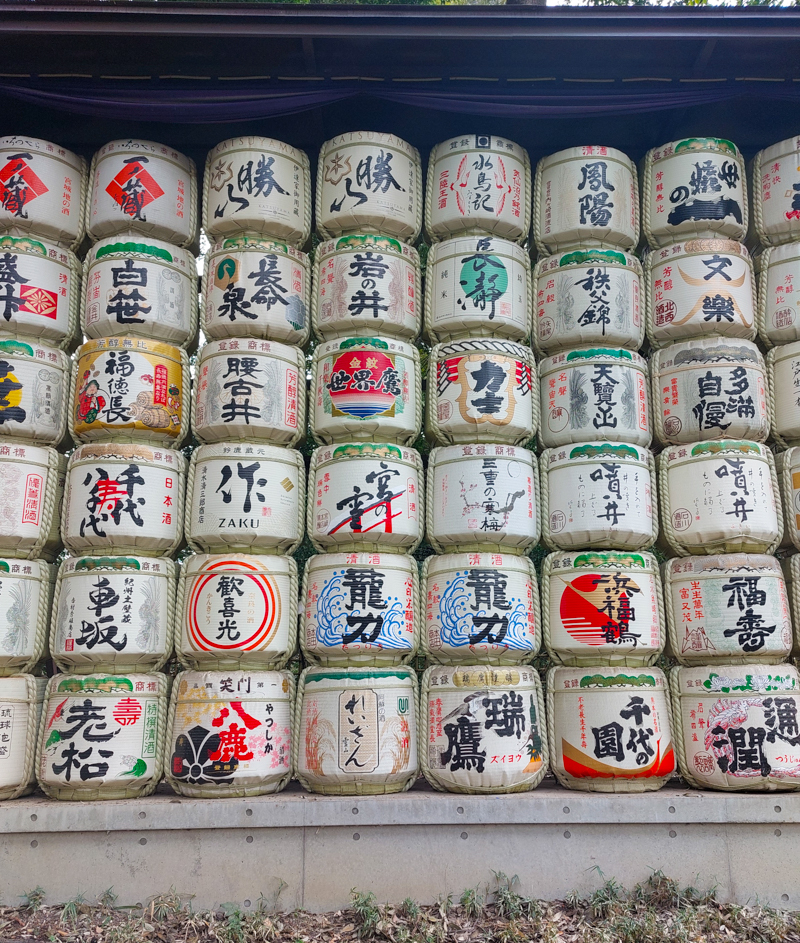
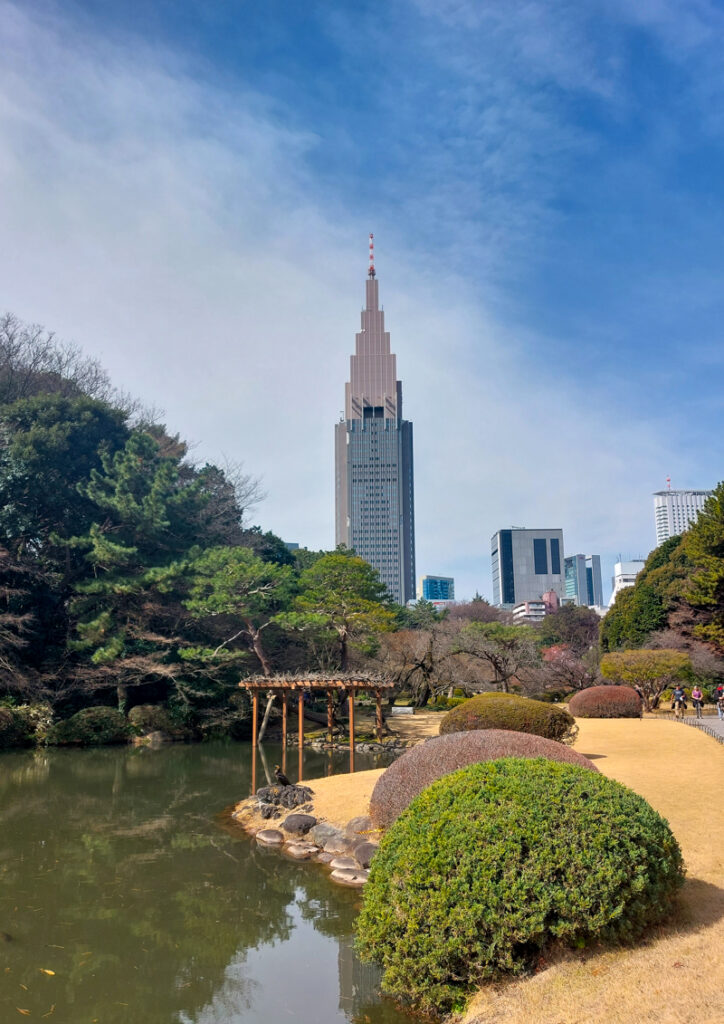
- Visit Meiji Jingu Shrine – On your first day, start with a visit to Meiji Jingu Shrine. If you’re staying in Shinjuku, you can walk through Shinjuku Gyoen National Gardens to get there.
- Explore Takeshita Street – a street known for quirky shops, animal cafes and waffle and crepe stalls.
- Head to Ichiran Ramen for Lunch – this is a Japanese Ramen chain where you order your variation of pork ramen (select your spice level and how you like your noodles cooked) on a vending machine then eat in an individual booth where the food will appear in front of you from a small window into the kitchen. An ideal lunch for introverts!
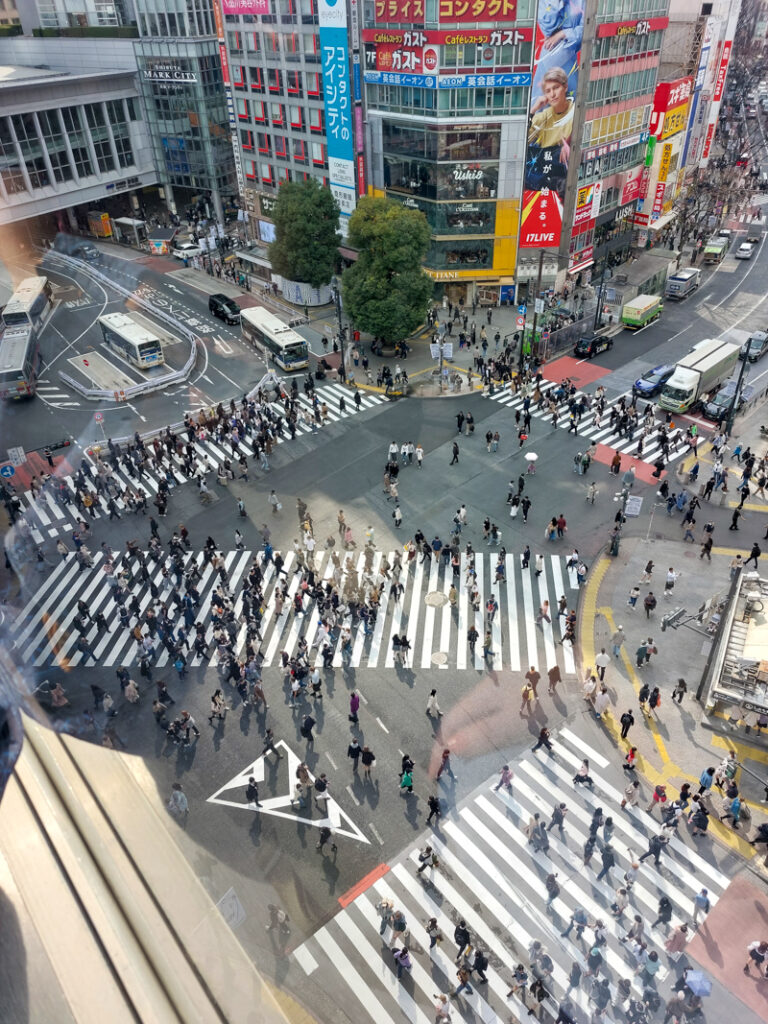
- Shibuya Crossing – see the famous Shibuya Crossing – the busiest pedestrian crossing in Japan. Head up to Shibuya Sky for a bird’s eye view.
- Explore Shibuya shops – There are tonnes of malls and shops near the crossing to explore. Including huge Nintendo and Pokemon stores.
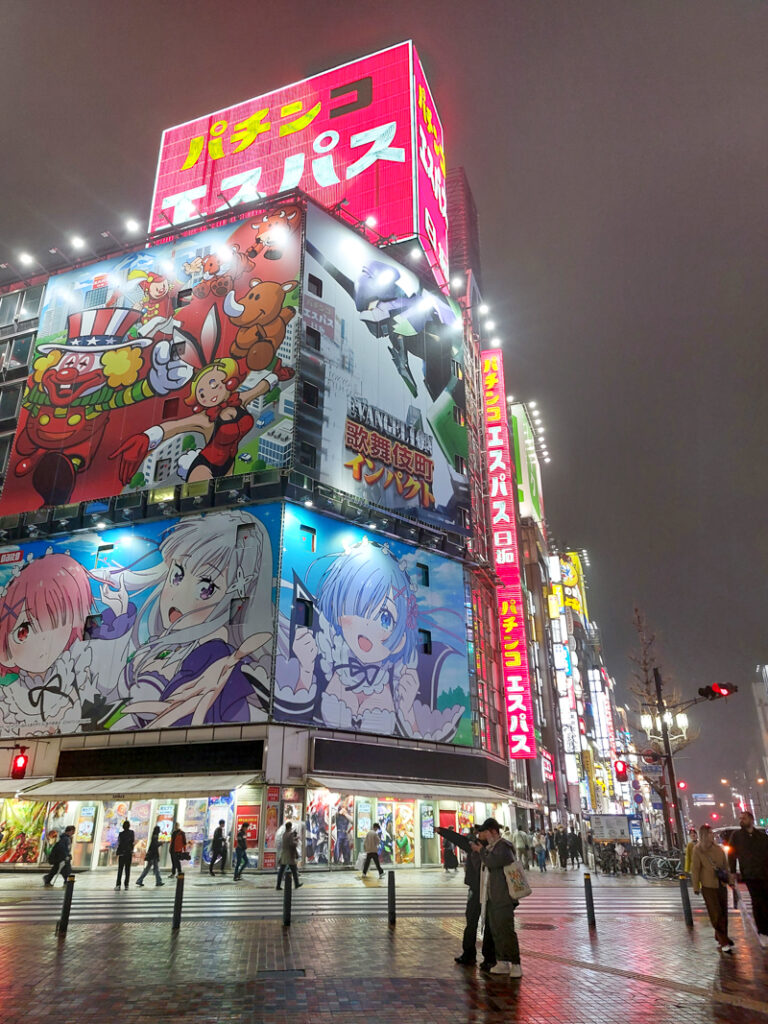
- See the Giant 3D cat – in the evening head back to Shinjuku and marvel at the giant 3D cat advert by Shinjuku station!
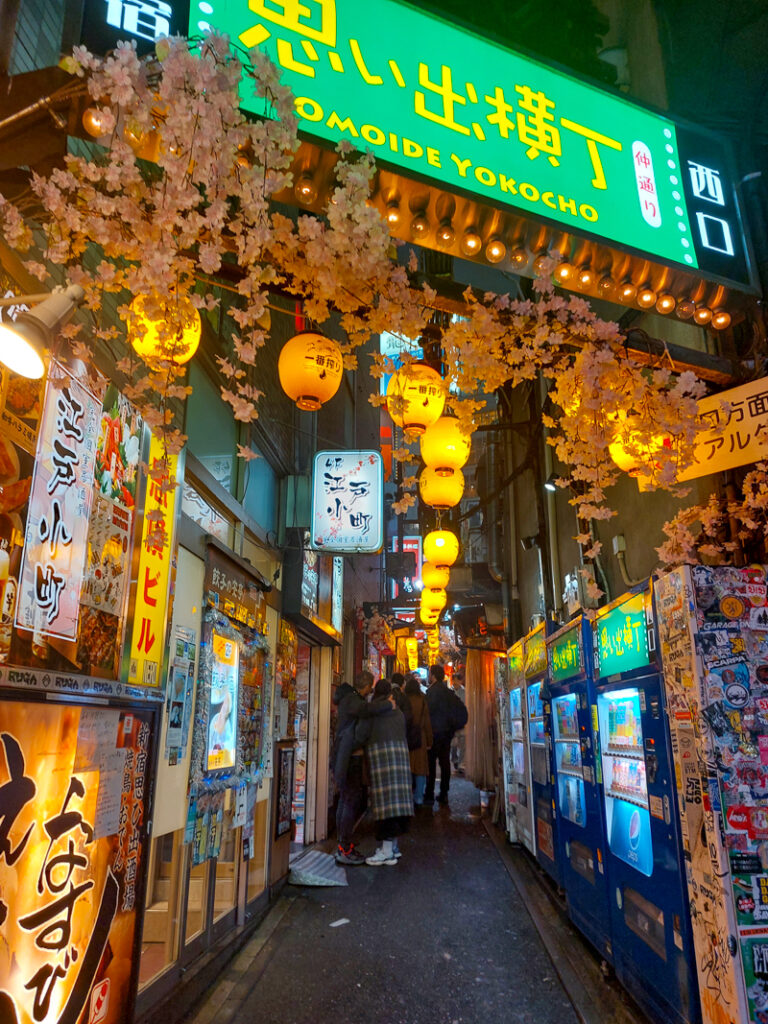
- Grab dinner along Omoide Yokocho – this tiny alleyway is filled with small, homely restaurants mostly selling meat and chicken skewers known as yakitori and kushiyaki.
Day 2: Tokyo – Asakusa
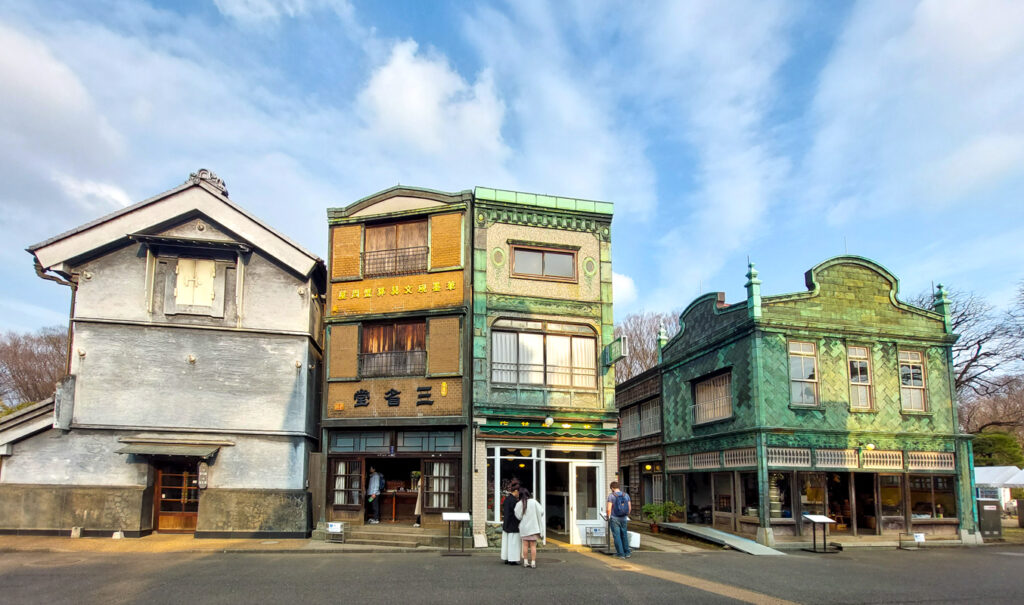
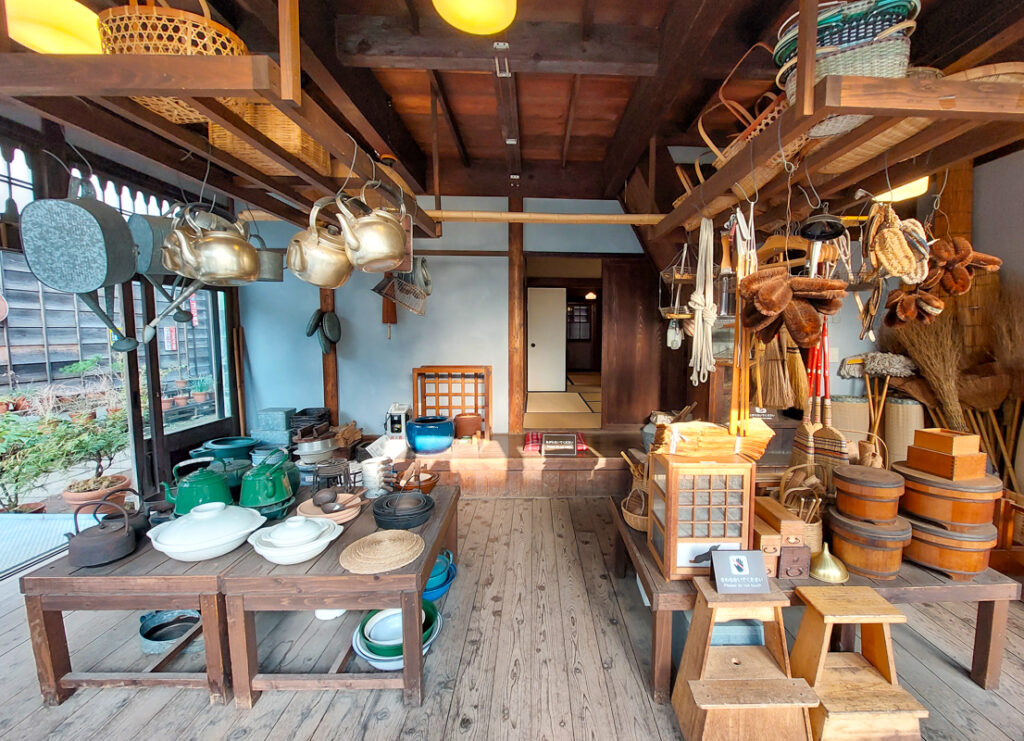
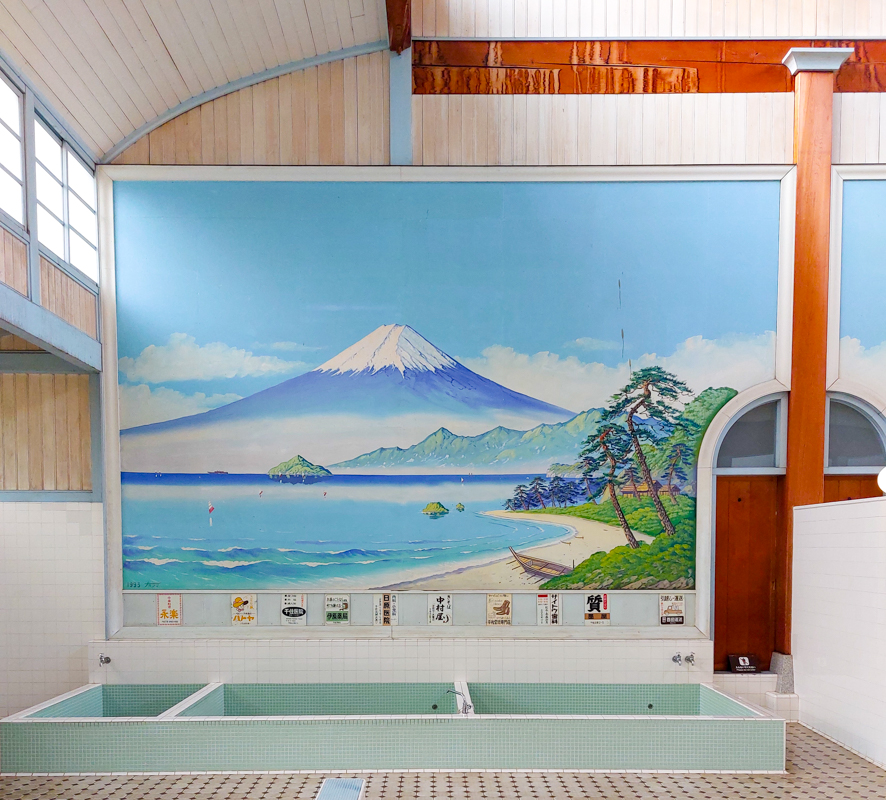
Fill your second morning with a trip to Edo-Tokyo Open Air Museum. This museum is a collection of historical buildings from across Tokyo and Japan that have been reconstructed in a park to preserve their stories and history. This is a little way out of Tokyo but fairly easy to get to by train and bus, it takes around one hour to reach from Shinjuku.
After visiting the museum, spend your afternoon in Asakusa. Here is a key list of things to do there:
- Head to Hoppy Street for lunch – a lively street filled with restaurants.
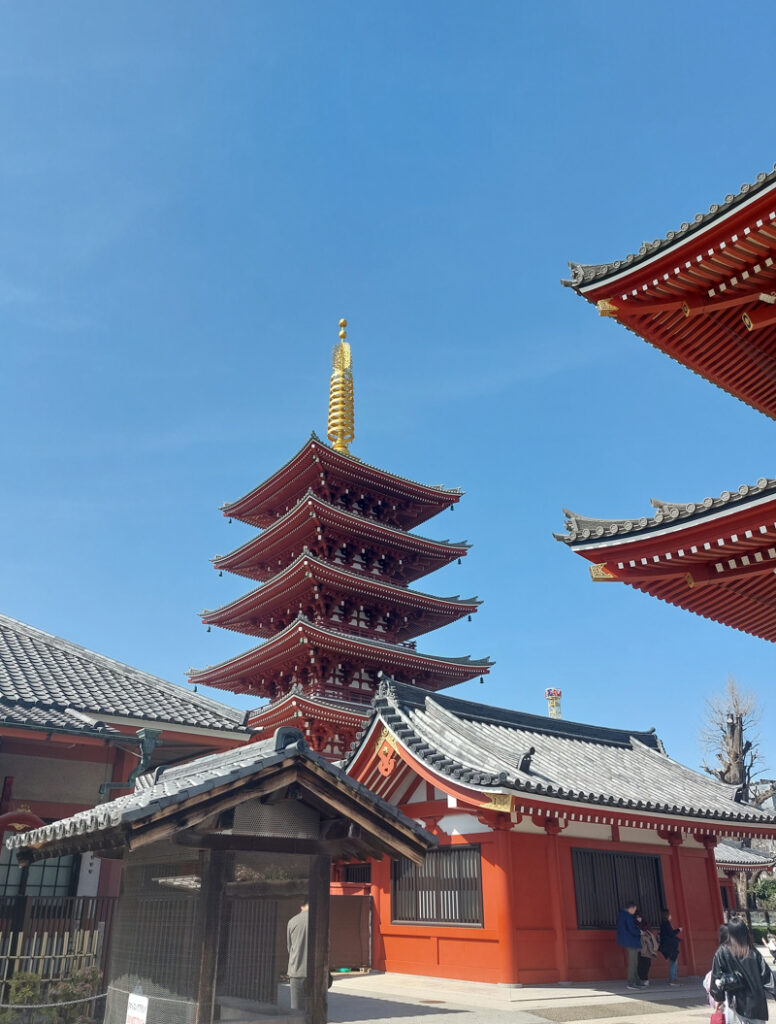
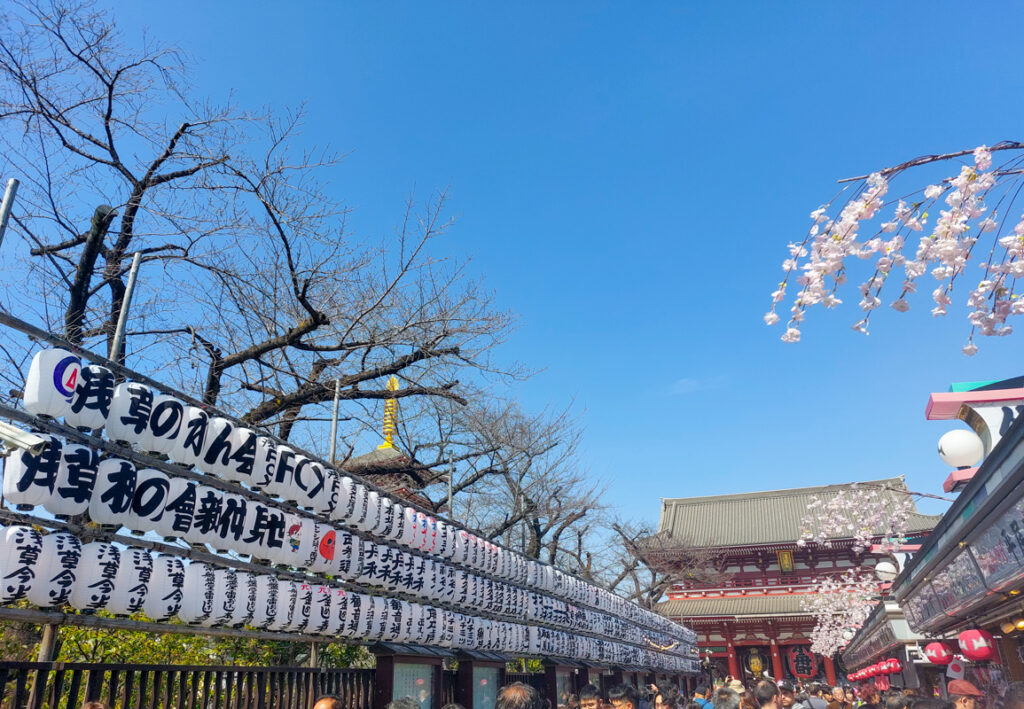
- Explore Nakamise Dori – a busy street lined with market stalls selling souvenirs and traditional snacks.
- Visit Senso-ji temple – you’ll find the temple at the end of Nakamise Dori. It’s one of the busiest and oldest buddhist temples in Tokyo.
- Head to Tokyo Skytree for sunset – the Skytree is the tallest tower in Japan, you’ll have panoramic views around the city. Be sure to book in advance, especially if you want to time your visit with sunset!
In the evening, head back to Shinjuku (if that is where you are staying!) I recommend a restaurant called Tatsoyoshi for dinner – it’s a little hidden and hard to find but the food is delicious!
After dinner, explore the nightlife of Shinjuku, try the many bars or karaoke or if that’s not your scene, try another Japanese pastime – baseball. Oslo batting cages are open until 1am!
Day 3: Travel to Kyoto
Day three will be your first major travel day within Japan. You’ll take the bullet train to Kyoto, known as the shinkansen. I recommend booking the train at least a few days in advance on Klook – it’s super easy to use. There are three different carriage classes – ordinary, gran (first class) and green car which is an in-between level. Many tourists book the green car but we travelled in ordinary and found the experience to be very pleasant. Even in this class, I’ve never had so much leg room on a train!
The train to Kyoto departs from Tokyo Station and takes just over two hours. I recommend giving yourself plenty of time to get to Tokyo Station, aim to arrive there maybe 30-60 minutes before your train because it can be super confusing to find the correct entrance to reach your platform. The station is huge and not very intuitive! Don’t be afraid to ask staff for help, show them your ticket and they should point you in the right direction.
Book your train for around midday so you have a morning to explore Shinjuku if there is anything else you want to see!
Once you reach Kyoto, drop your bags off at your hotel first. We stayed at Tune Stay Kyoto near the station. This was a handy location for the day trips we had planned and just getting around Kyoto in general, it was a fairy quiet area but the hotel was very nice and recommended lots of good restaurants nearby. The old town area of Gion, would also be a good option to stay in.
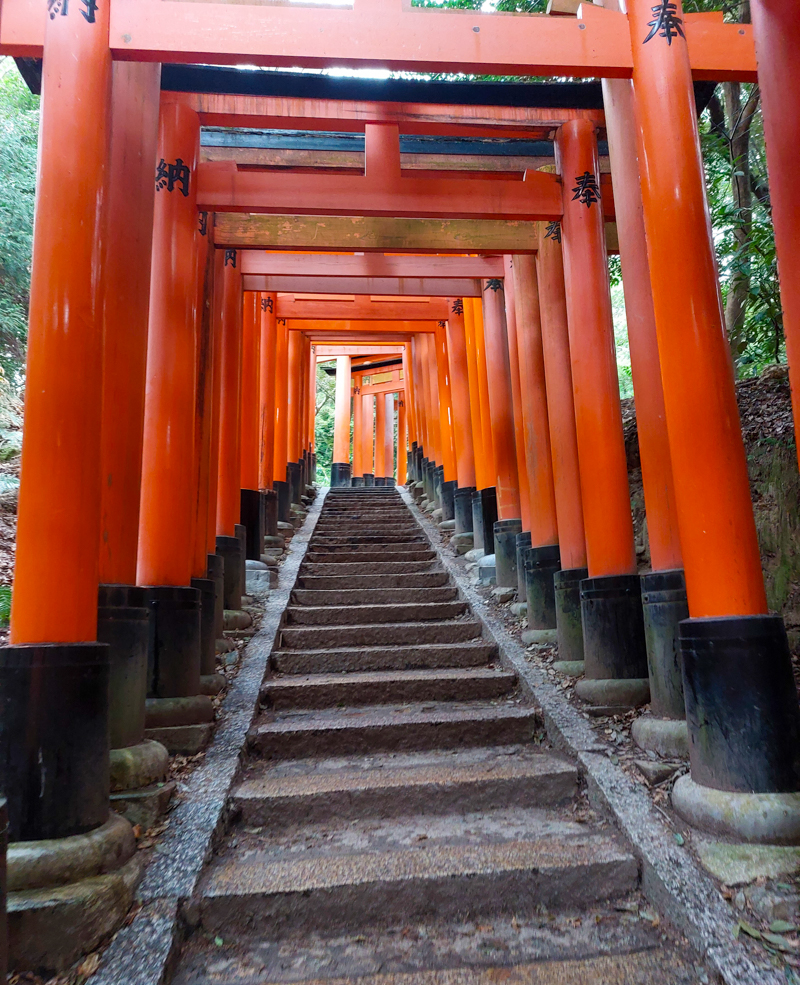
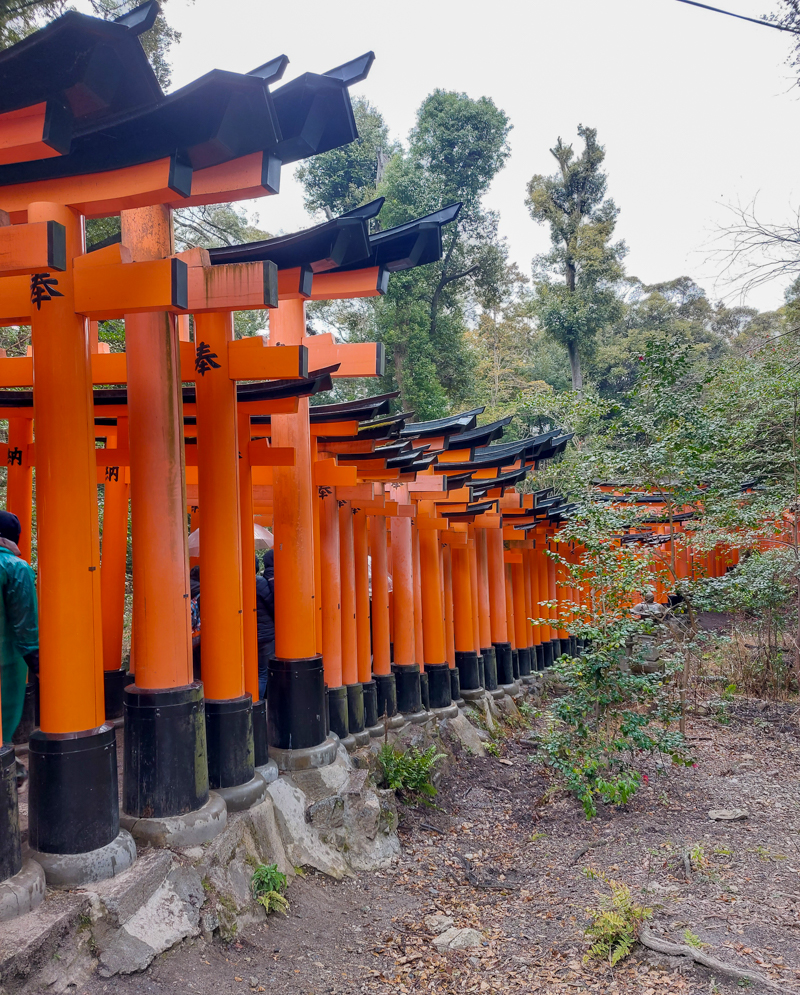
In the afternoon head out to Fushimi Inari Taisha. This shrine is famous for its 1000 red torii gates. The archway lined paths extend up Mount Inari. At the base, around the main temple the pathways will be busy and full of fellow tourists but if you continue uphill the crowds soon thin out and you’ll have peace, quiet and plenty of photo opportunities. There is a great view point near the top too and some cafes along the way. The entire walk up and down takes around 1.5 – 2 hours.
In the evening head back to near your hotel for dinner.
Day 4: Higashiyama Ward & Kyoto
This is set to be a super busy day with lots of walking around the Gion and the older parts of Kyoto so wear comfy shoes! This is a list of places you can visit in one day in Kyoto. They are roughly in an order that makes geographical sense of going from once place to the next nearest place, starting from the south, going north then a little west. If you are staying further north, you might want to start with the Philosopher’s Path or Yasaka Shrine and work your way down.
- Higashiyama ward – this is the name of the general area you’ll be exploring today. Its filled with traditional wooden buildings, ancient temples and quaint tea houses.
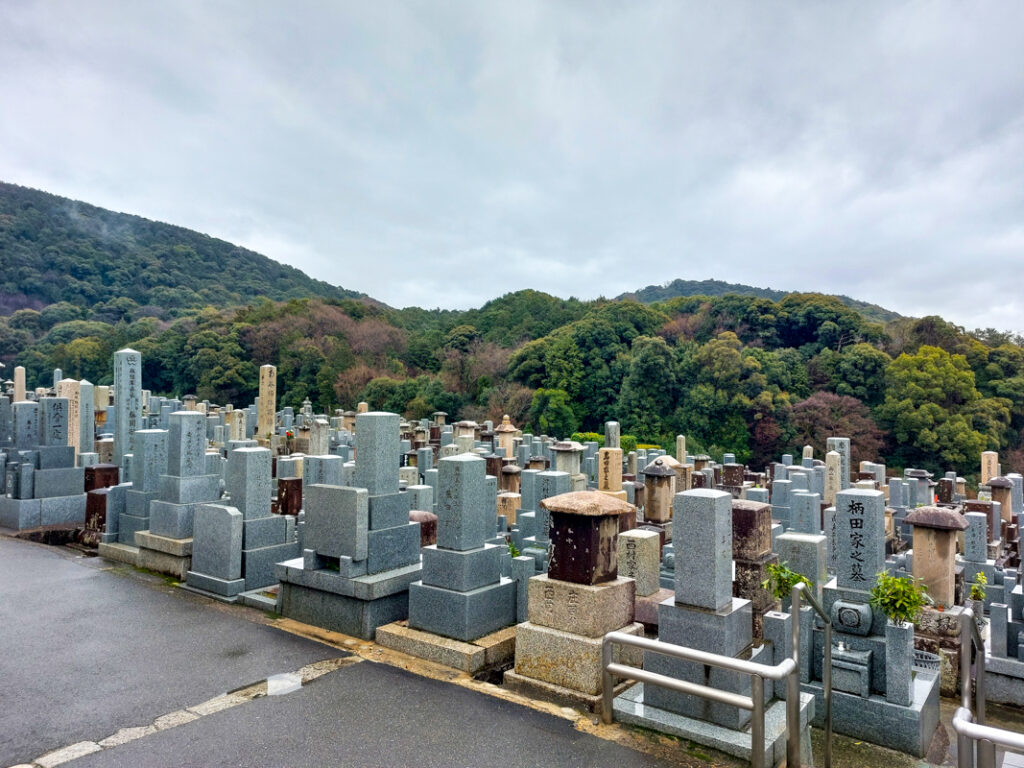
- Otani Bombyo Temple and cemetery – If you’re starting from the south, one of your first stops will be Otani Hombyo Temple, a traditional buddhist shrine surrounded by peaceful gardens. Behind the temple, you can walk through the quiet Otani cemetery. You’ll suddenly feel completely removed from the city as the crowds thin out, traffic noise dims and you’ll just see grave stones stretch out in front of you to meet a dense forest.
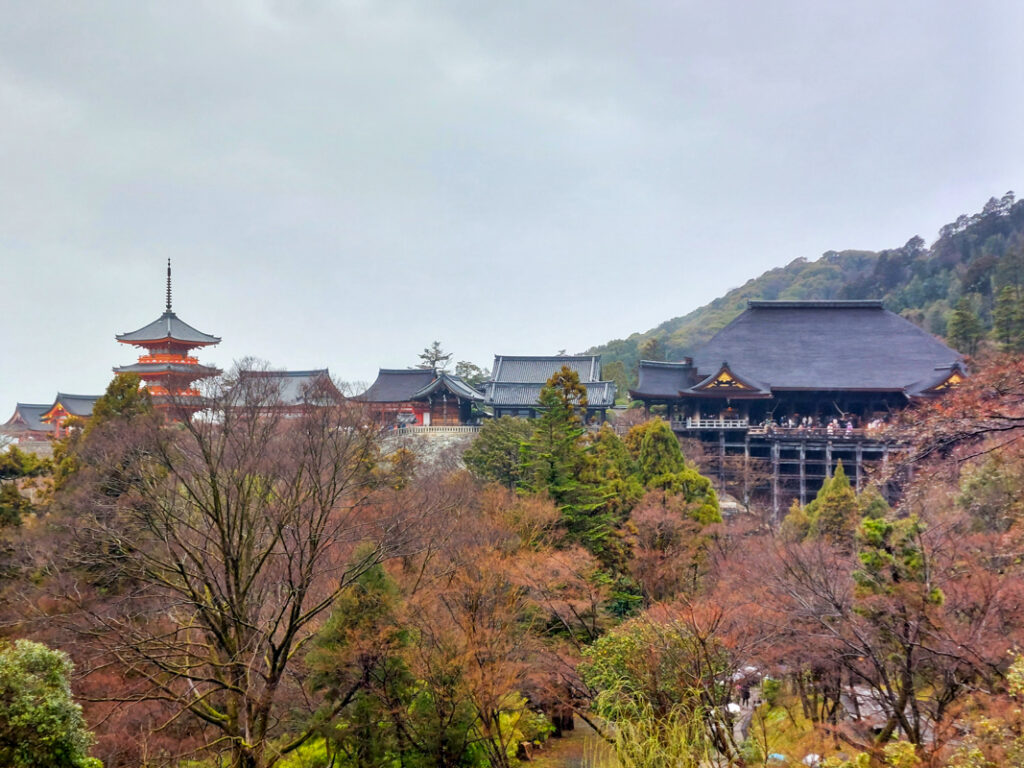
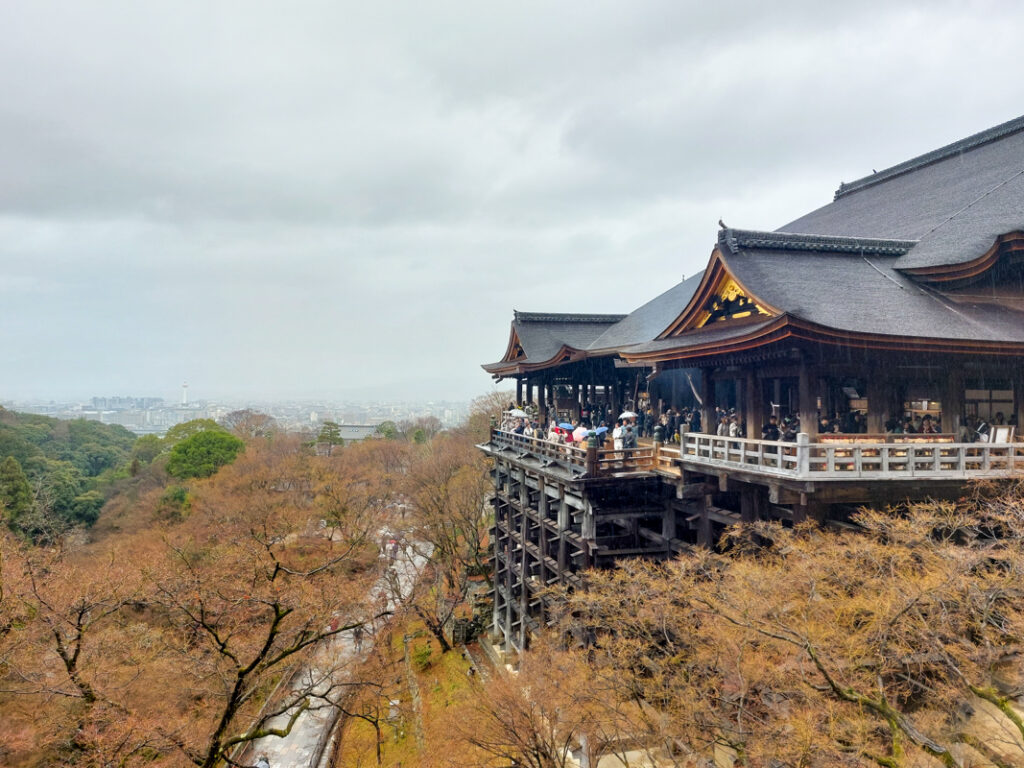
- Kiyumizu-dera – on the other side of the cemetery you’ll quickly see the crowds return as you reach one of the most popular sites in Kyoto, the Kiyomizu-dera temple. The main hall of the temple is built on a hill on wooden stilts. Wander around the complex to see other shrines and pagodas and see the different view points of the main hall.
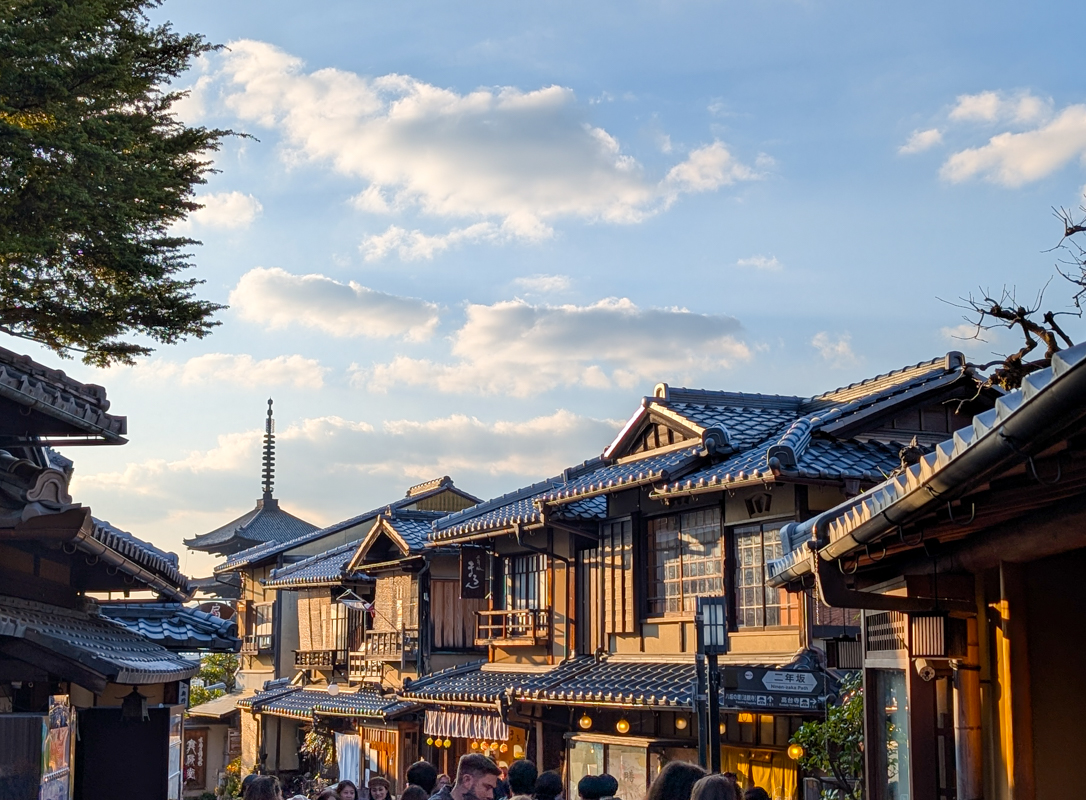
- Sannenzaka and Ninnenzaka – after the temple, continue north to wander around some of the most picturesque streets in the Higashiyama ward. Here the streets are lined with low-level wooden buildings, housing cafes, souvenir shops and more. Near where Sannenzaka and Ninnenzaka streets meet you can capture the iconic photo of the Yasaka Pagoda.
- Kodaiji Temple – continue north to another temple, Kodaiji temple has a beautifully landscaped garden around it and even has its own bamboo forest.
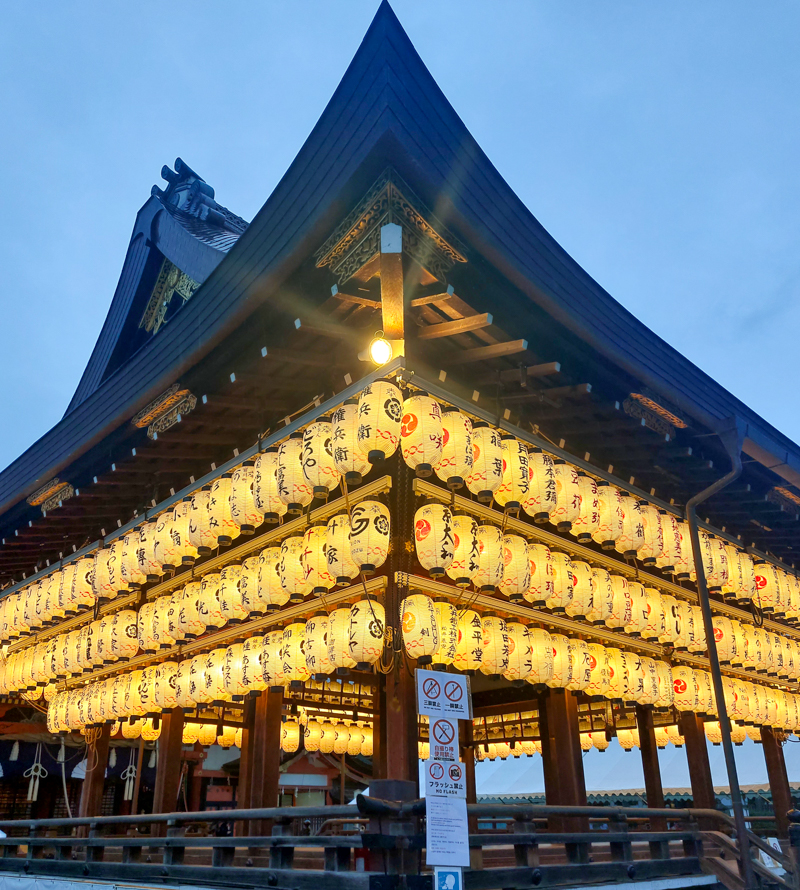
- Yasaka shrine and Maryama Park – time for another temple! Yasaka shrine is lovely to see at night as well as in day light because all of the lanterns hanging from the roof line are illuminated after dark. Explore Maruyama park too, have an ice cream break here if you have the weather for it!
- Philosopher’s Path – this next one is a little bit of a detour – so make the choice if you think this is worth it to you to squeeze in! Philosopher’s Path is a quiet pathway along a canal lined with trees. There are a few cafes and restaurants around but it’s largely residential. It’s a beautiful area during cherry blossom season but might not be as spectacular at other times of the year. From Maruyama Park, it’s around a 45-60 minute walk to the other end of the path but there are some temples you can visit en route too including Okunoin Temple (in a cave), Nanzen-ji and Eikando Temple.
- Nishiki Market – If you don’t go to the Philosopher’s Path, head west from Yasaka Shrine to Nishiki Market. This is an enormous indoor market with hundreds of food stalls so a great place to grab a snack or stop for lunch if you haven’t already by this point!
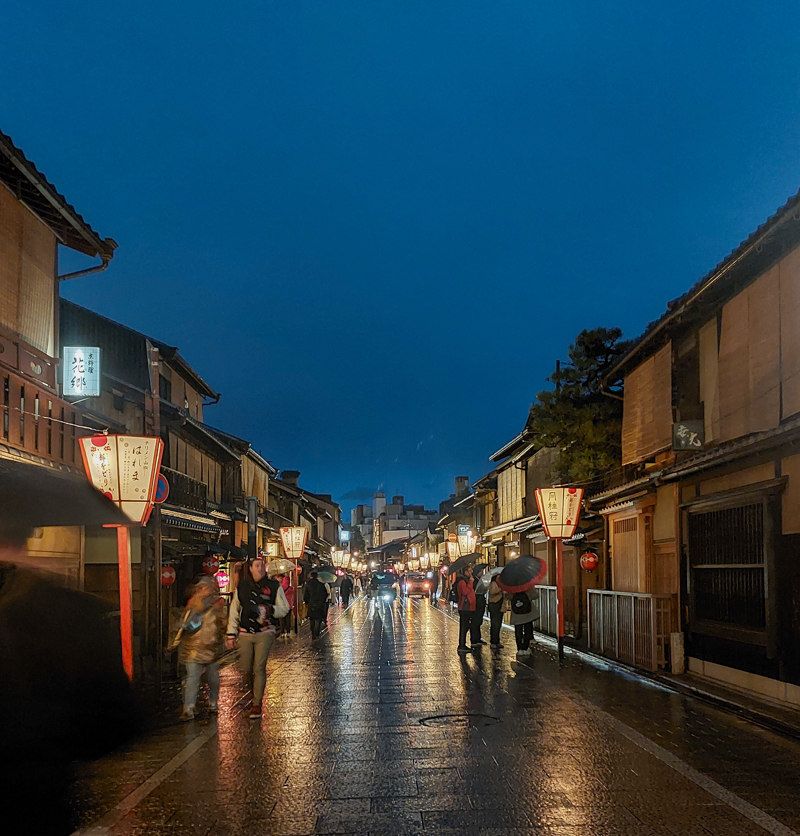
- Hanamikojoi street – After the market, head back into Gion to Hanamikoji street. The most picturesque side of the street is the side south of the main road. Similar to Sanneszaka and Ninnenzaka, you’ll find lots of quaint, traditional houses here.
- Pontocho street for dinner – At the end of your long day of wandering, head to Pontocho – a little alley alongside the river to have some dinner. There are lots of restaurants here and the ones on the east of the street overlook the river.
Day 5: Day Trip to Osaka
Time for the first day trip from Kyoto – a trip to the nearby city of Osaka. Osaka is only 15-45 minutes from Kyoto by train. The timing depends on which train you get, the quicker ones tend to be more expensive. I recommend getting the train from Kyoto Station to Osaka-Umeda Station.
Here is a quick list of how to spend your day in Osaka, click here to read more about things to do in Osaka.
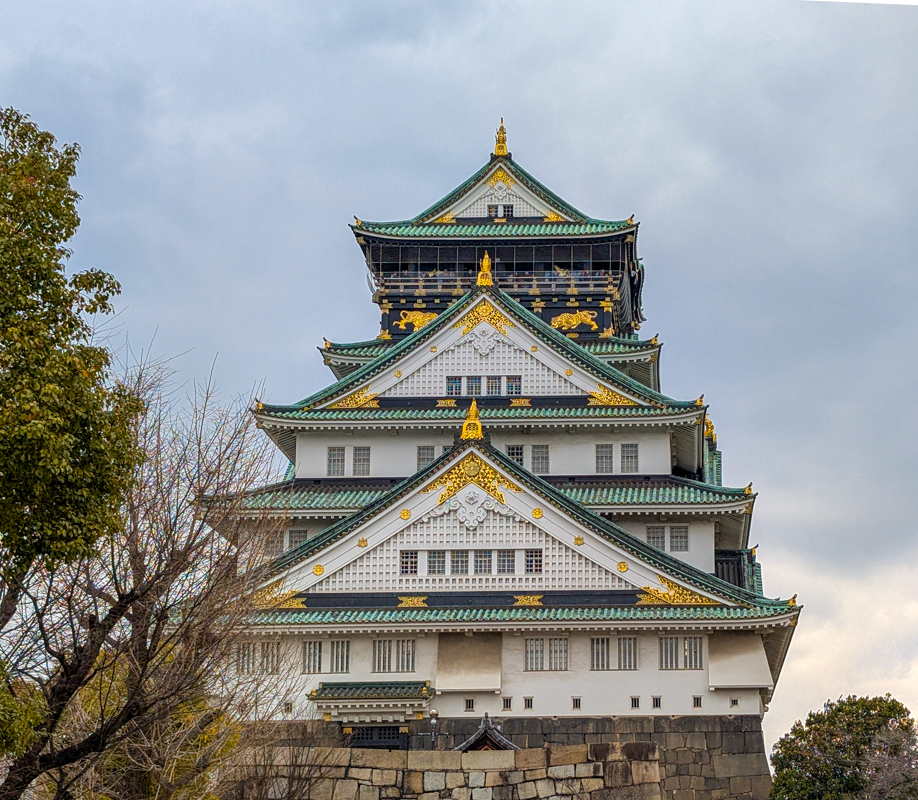
- Osaka Castle – start your day trip with a visit to the iconic Osaka Castle. The castle is now a fascinating museum which explores the history of the region and the feudal lords and shoguns that ruled it. The gardens around the castle are also stunning during cherry blossom season!
- America-mura – if you’re into fashion and vintage shopping or just curious to see Japan’s take on American culture, wander around the America-mura neighbourhood.
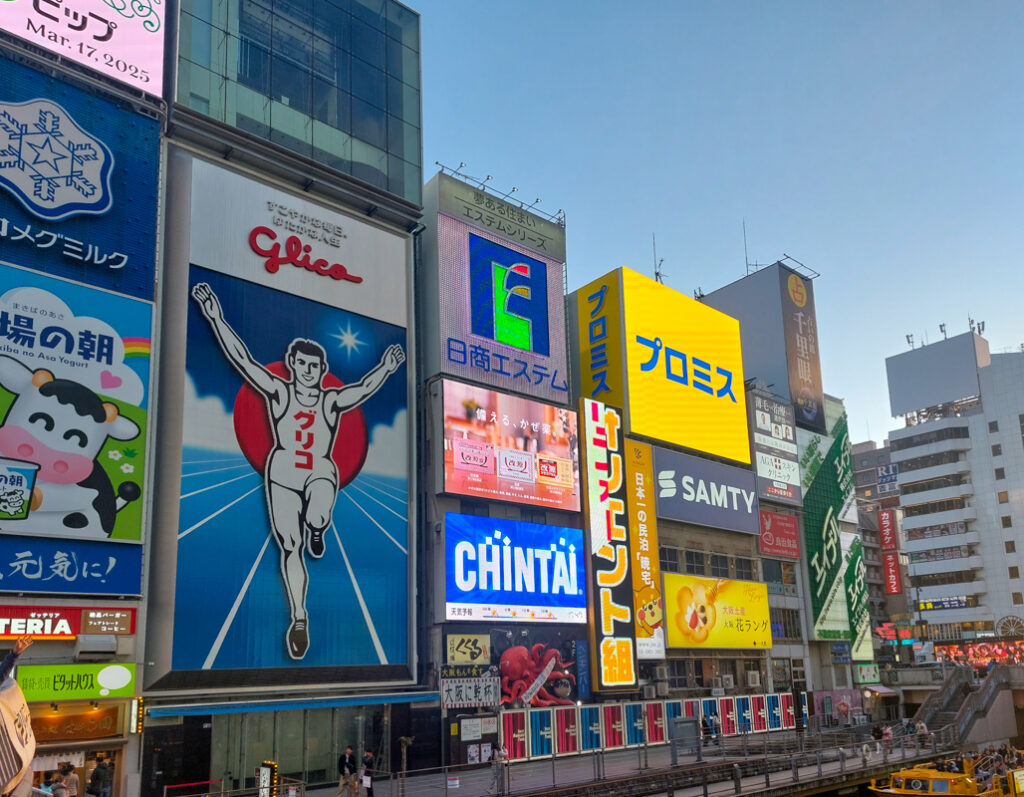
- Dotonbuti – Dotonbori is a must see when visiting Osaka. It’s an iconic street filled with illuminated billboards and giant models of Japanese food. Here you’ll find the famous Glico man ad alongside the canal.
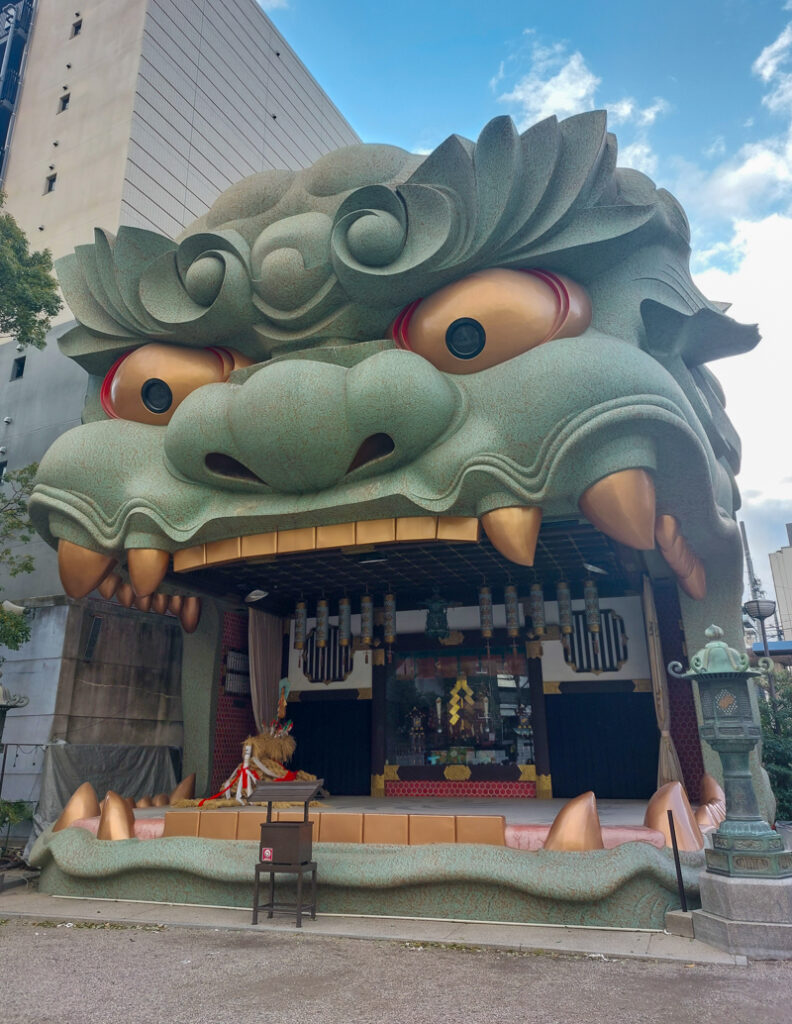
- Namba Yasaka Shrine – this is a shrine famous for being shaped like a huge lion head!
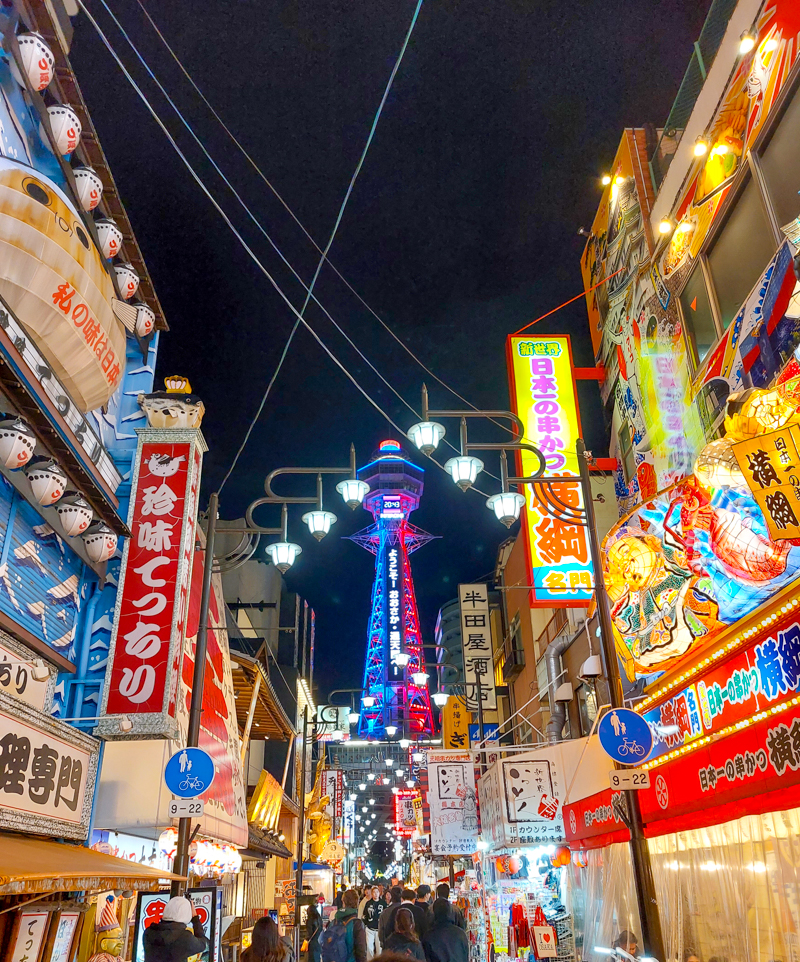
- Shinsekai Tower – the Shinsekai area is similar to Dotonbori with lots of bright lights. Here you’ll find lots of food stalls in the shinsekai market. You can also go up the Shinsekai tower for panoramic views over Osaka. Another famous view point in Osaka is the Umeda Sky Building (near the Umeda train station)
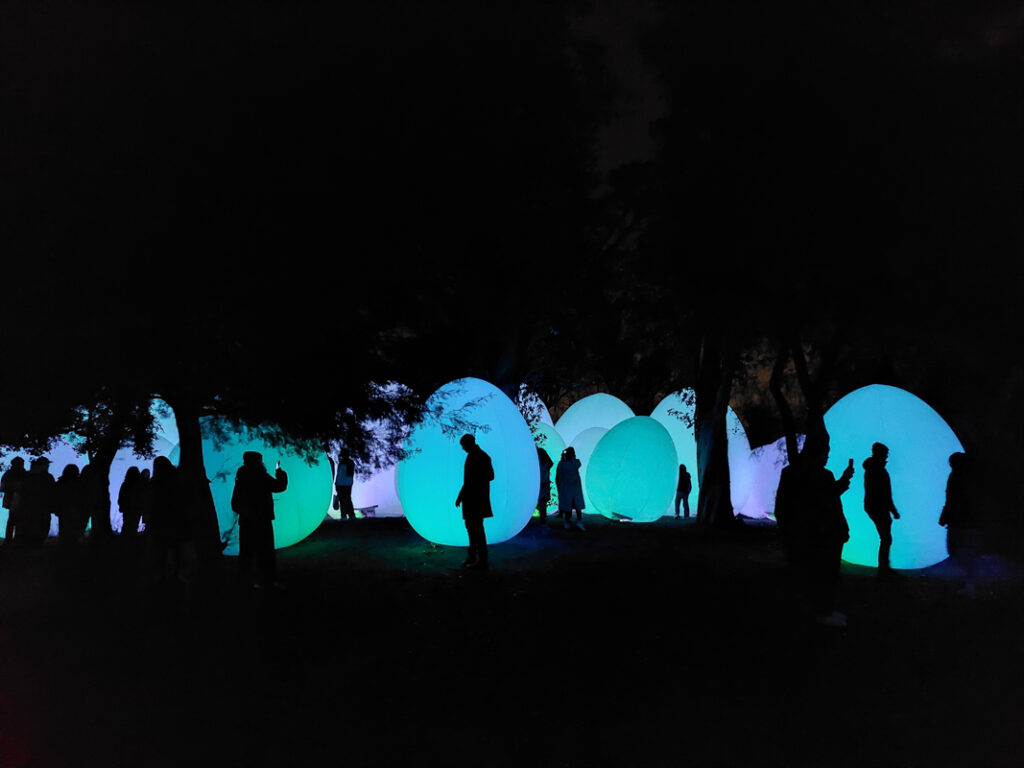
- Teamlab Botanical Garden – once it gets dark, head towards the Botanical Gardens (near Nagai Station) for a spectacular light display. The Teamlab exhibit has interactive exhibits, projections and giant orbs of light that you can push around. I recommend booking in advance for this.
Day 6: Kyoto – Castle, Palace & Kibune Hike
Back in Kyoto, start your day with a trip to Nijo Castle. This is very different to Osaka Castle, instead of exploring the history, the exhibition mostly focuses on the art and murals inside. You’ll follow a route around the castle on its ‘singing’ floorboards. You might think the squeaky floors are due to being 400 years old but its actually by design. The nightingale floors were fitted to warn residents of intruders!
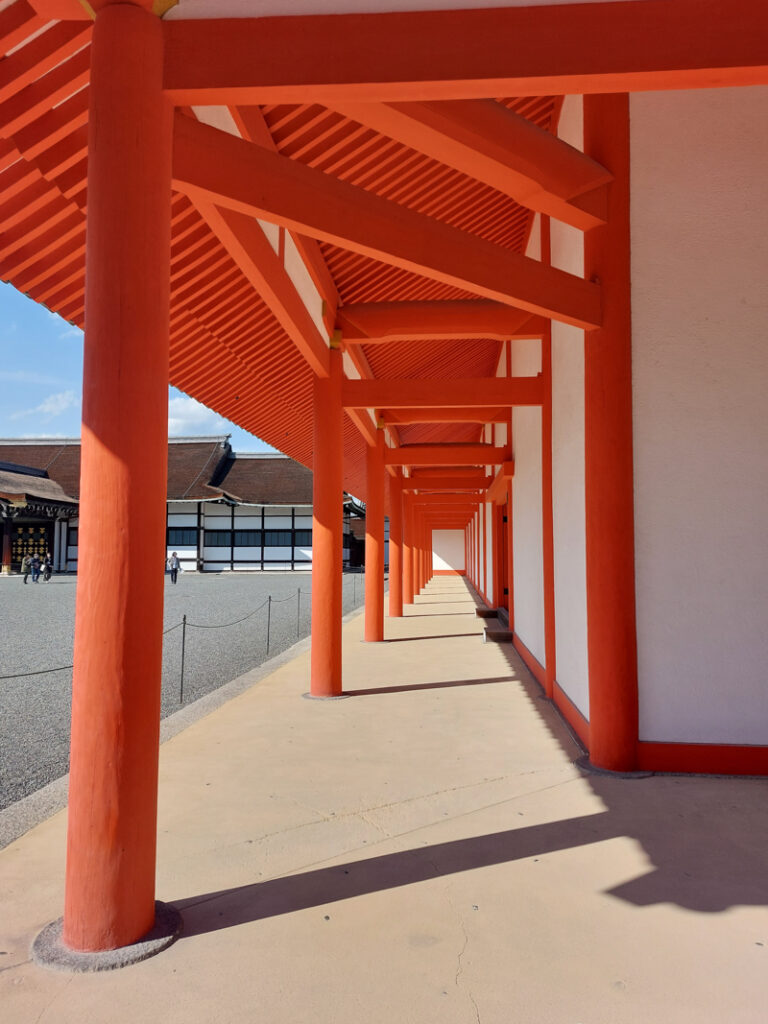
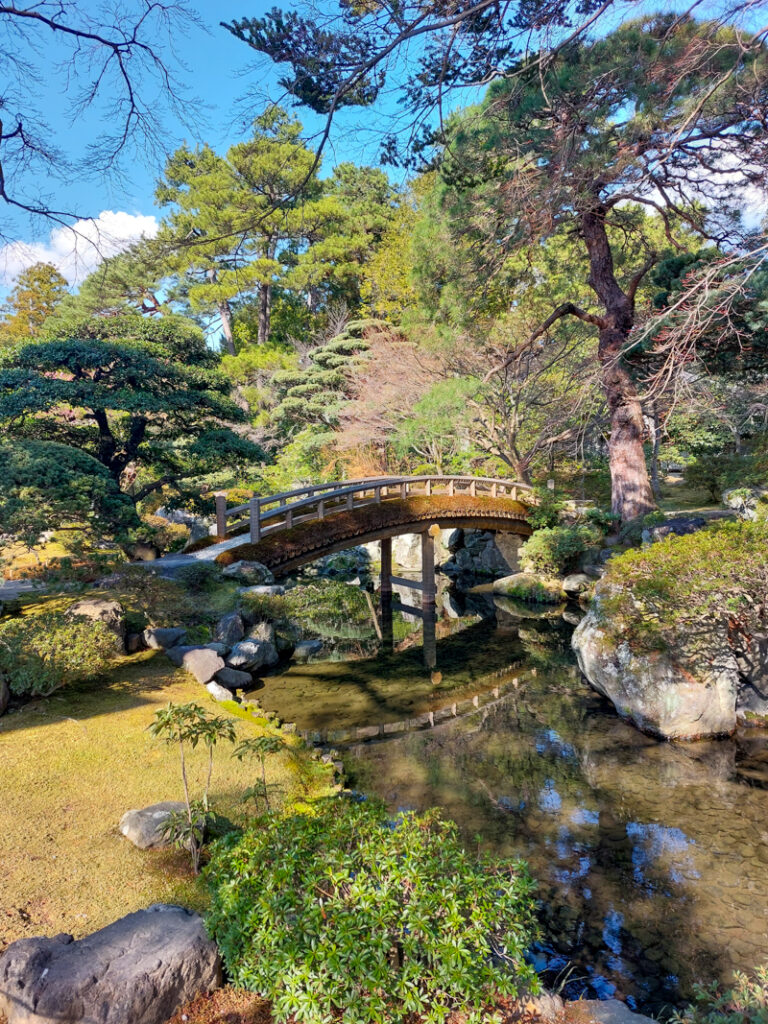
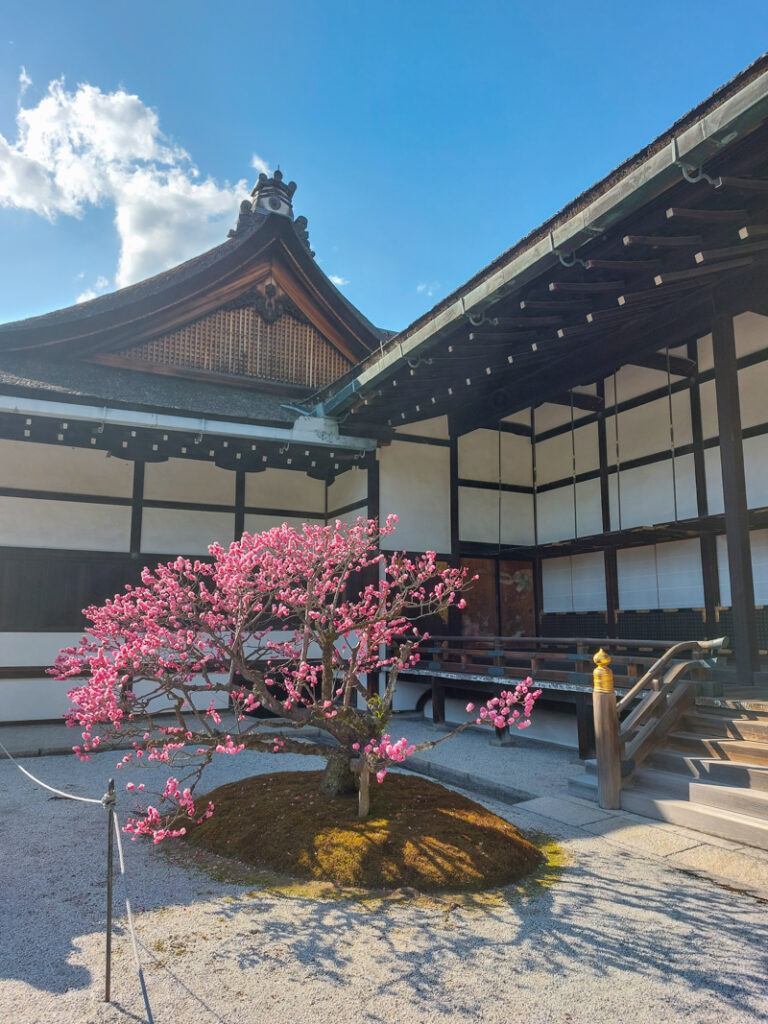
After the castle, walk over to Kyoto Gyoen National Garden (around a 20-30 min walk). The garden is huge and has different sections, some of which require joining tours. The gardens also house the Kyoto Imperial Palace. Whilst you can’t go inside the palace, you can explore the exterior and the gardens around it.
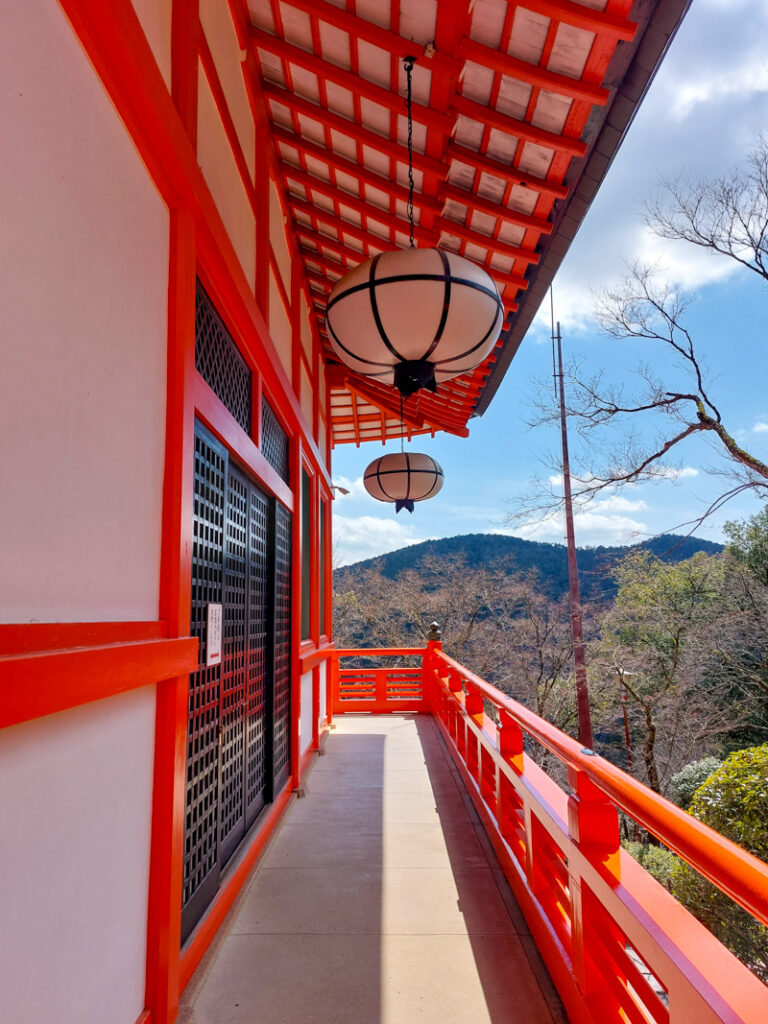
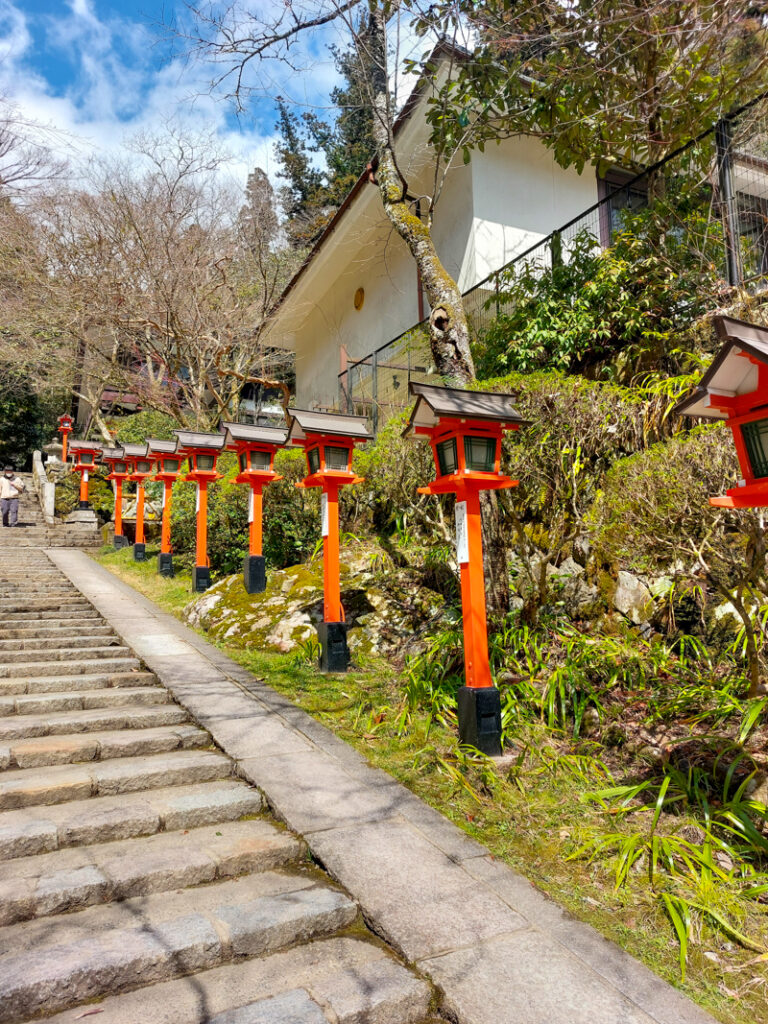
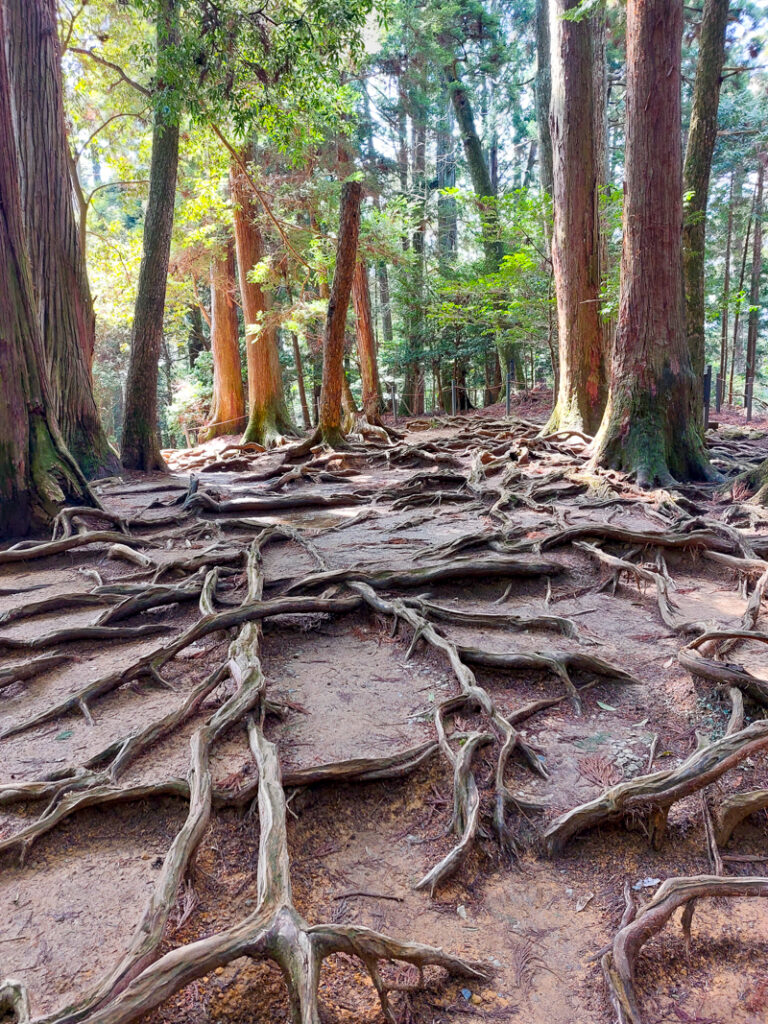
In the afternoon, escape the city with a rural hike. The Kurama to Kibune hike takes you through the mountains and woods by way of a few shrines. The entire hike takes around 2-3 hours. You can start from either direction, both Kurama and Kibune have train stations. If you start at Kibune and end in Kurama, you can finish your hike with a soak in an onsen – (a Japanese hot spring) at Kurama Hot Spring.
- This is the route we did from Kurama to Kibune
- This route goes the opposite way and ties in the Onsen
Day 7: Day Trip to Nara
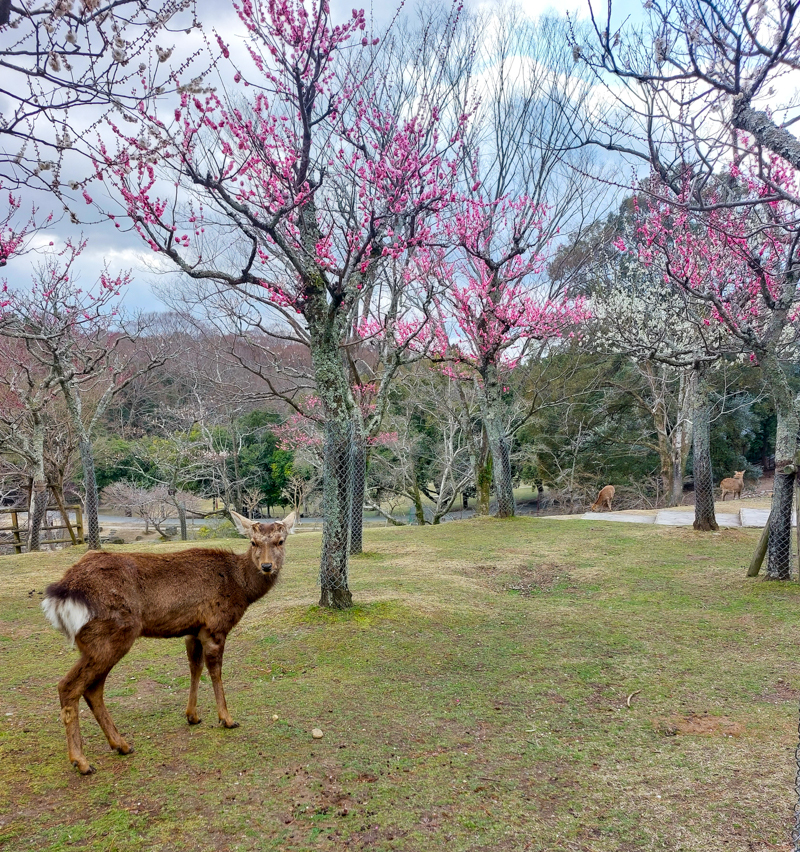
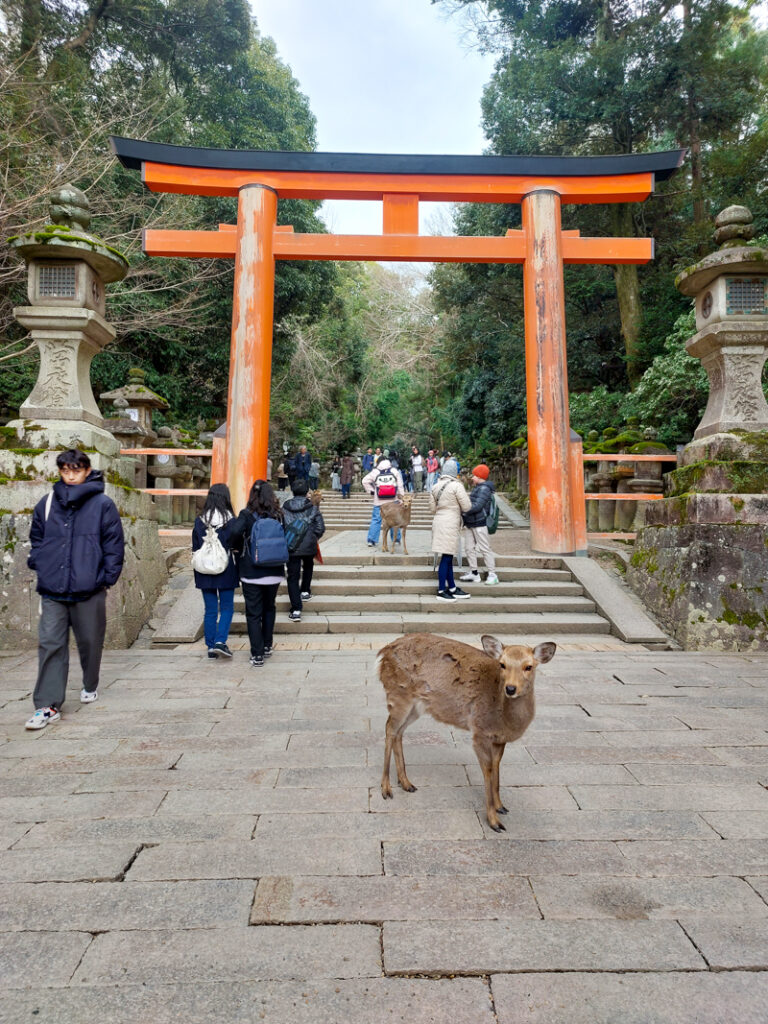
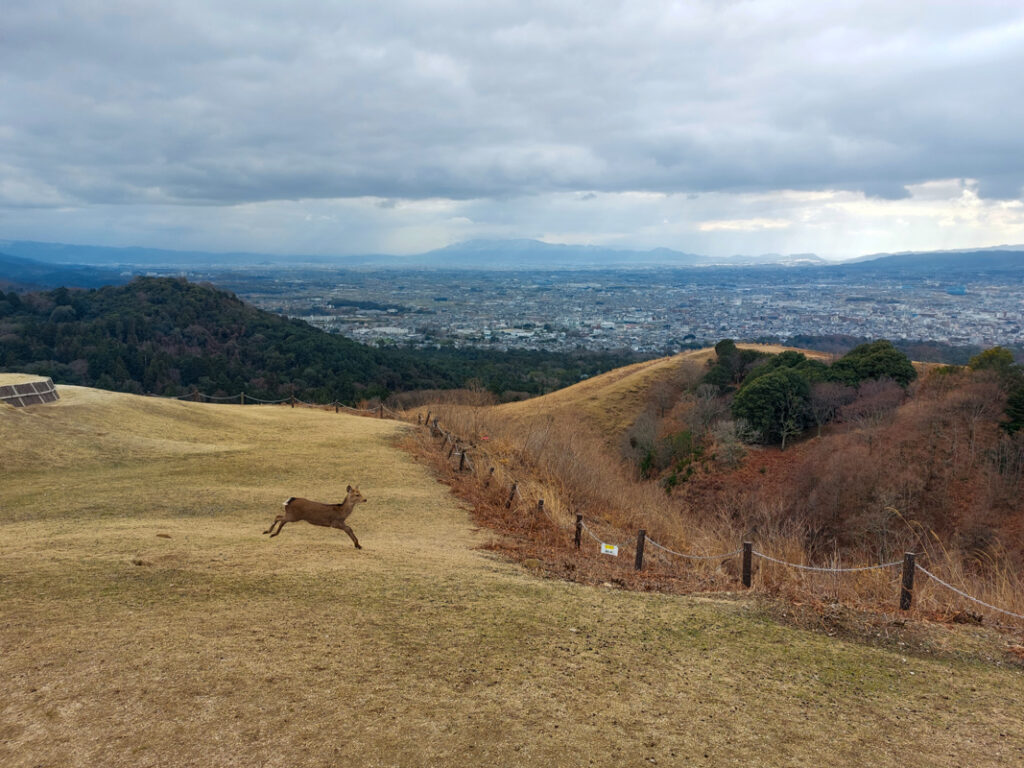
Time for another day trip, this time to the magical city of Nara. Nara is famous for its deer that roam the city and love to be fed by tourists. Whilst some deer can be pushy, they are mostly very polite and if you bow to them they’ll return the gesture with a nod of their head. If any do get a little pushy with you, just hold up your hands to show you don’t have any food and they’ll quickly move on!
You can reach Nara from Kyoto Station in around 45-60 minutes by taking either the Kintetsu Limited Express Line or the Kintetsu-Kyoto Line to Kintetsu-Nara Station or the Nara Line to Nara Station but this takes a little longer.

Once you’re there here is a list of top things to do in Nara:
- Feed the Deer – they’re not hard to find, you’ll come across them fairly quickly after exciting the station! You’ll also find lots of vendors selling biscuits that you can feed to them. Be sure to bow first!
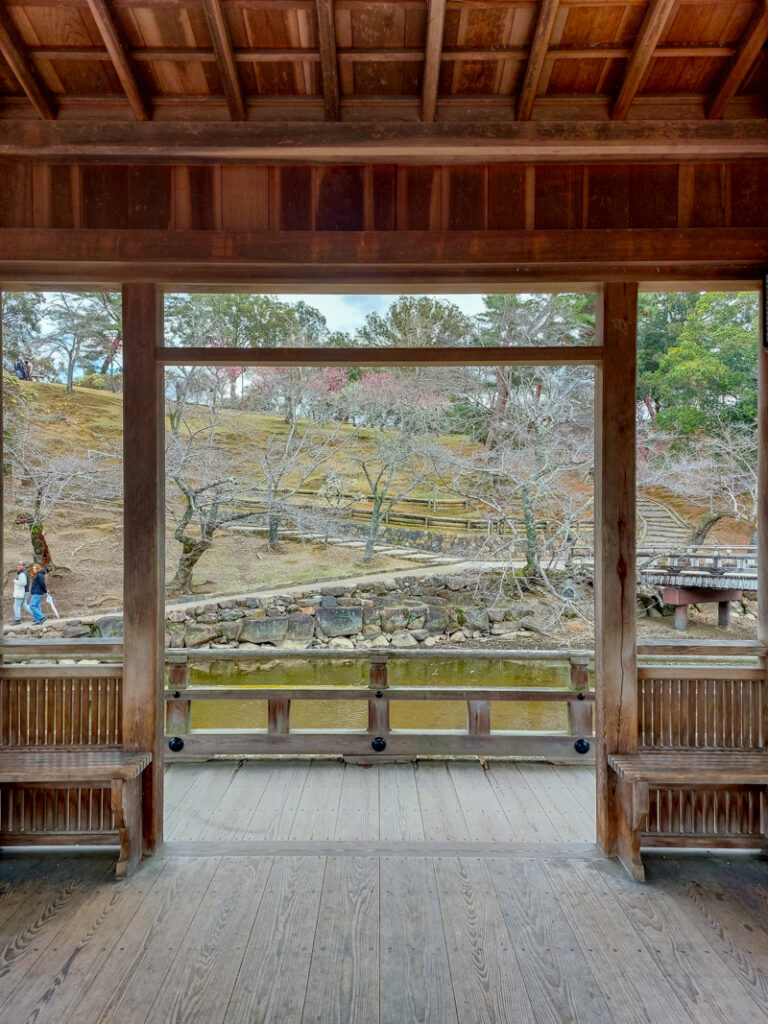
- Visit Nara Park – this covers a huge area so it’s hard to miss when you’re visiting Nara! You’ll find lots of deer roaming around here as well as a few temples, the Ukimido Pavillion sitting over the lake and Nara National Museum.
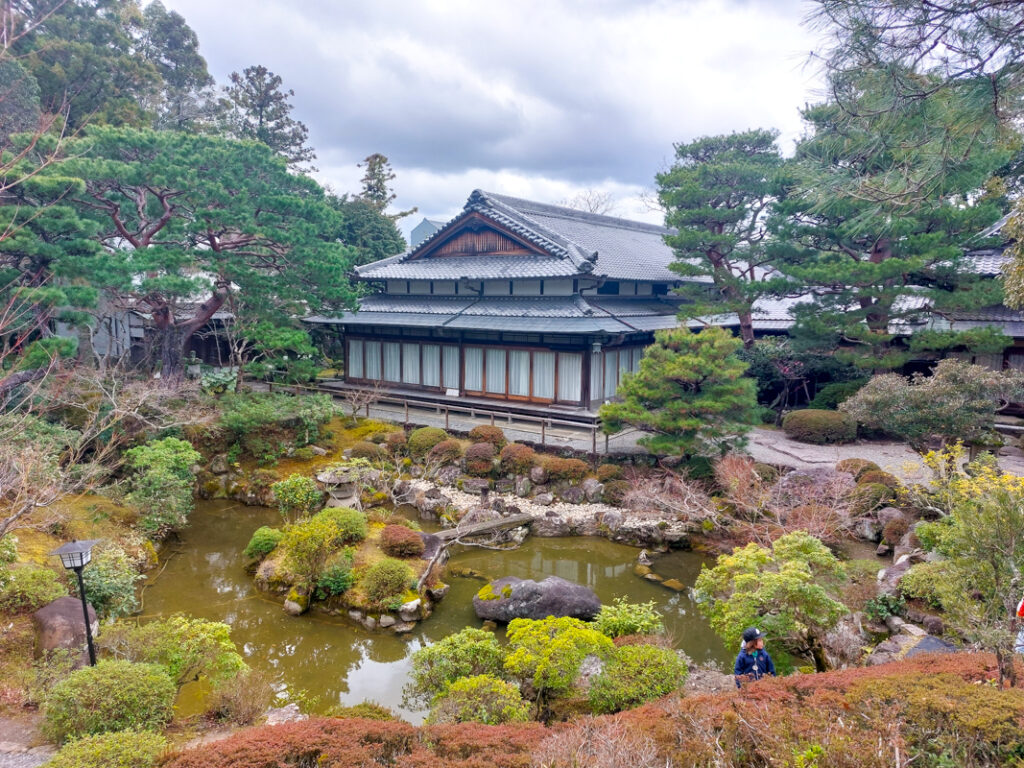
- Stroll around Yoshiken garden – a free walled garden. The Japanese garden is perfectly maintained, there’s also a traditional wooden teahouse here.
- See Todai ji temple – would a trip to a Japanese city be complete without visiting a temple or two? Todai-ji temple is a temple dating back to the 700s. Inside you’ll see a ginormous buddha statue – one of the largest in Japan!
- Hike up Mount Wakukasa – there is a nice hiking trail up the mountain, at the top, you’ll see fantastic views over Nara and the surrounding hills. You’ll might meet some more wild deer along the way, if you’re lucky you might find some that have evaded having their horns cut! This route is a 5km loop and takes around 2 hours. If you fancy a longer route, try this 11km trail.
- Nakatanidou Sweet Shop – back in town, visit Nakatanidou, a traditional sweet shop to see the staff make fresh mochi and to try some for yourself!

Day 8: Kyoto – Arashiyama
For your last full day in Kyoto, get an early start to beat the crowds and head to Arashiyama. Here is a quick list of things to do in Arashiyama:
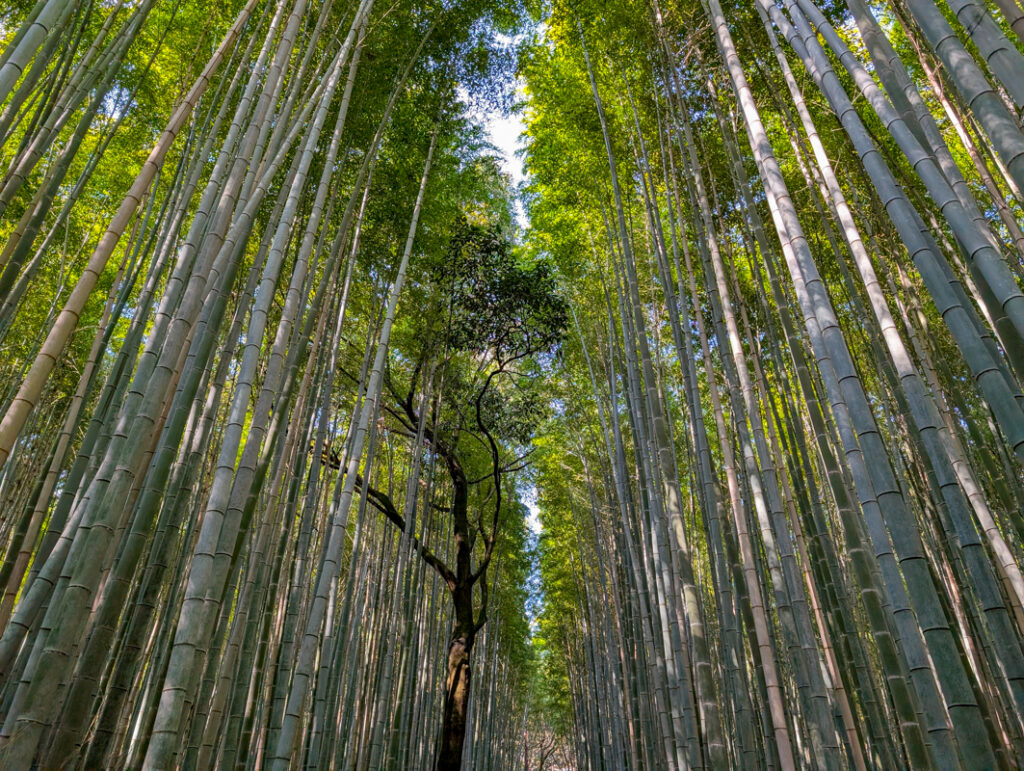
- Visit the Arashiyama Bamboo Forest – this gets super crowded so go early! To be honest, I think this bamboo forest is over hyped but if you pass through and continue through the residential area of Arashiyama there is another, much quieter bamboo forest hidden in a temple.
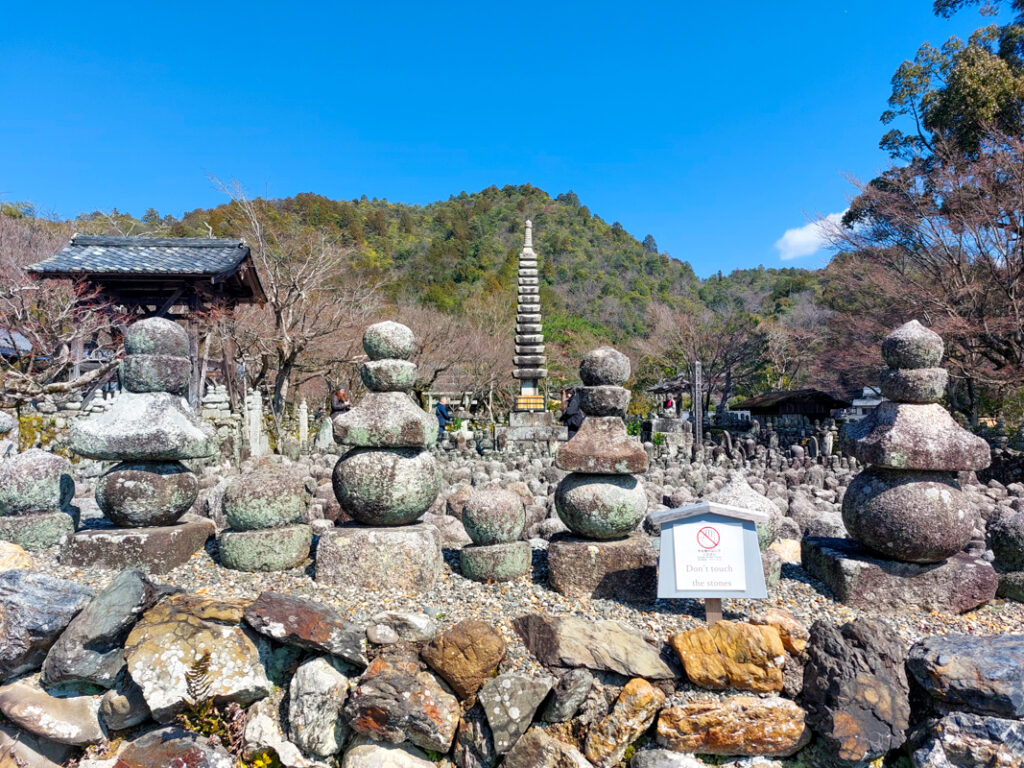
- Explore temples – working your way north from the Bamboo Forest and Arashiyama Station, there is a trail of several quiet temple gardens that you can visit. Starting with Jojakkoji Temple then Gioji Temple, ending with Adashino Nenbutsuji temple. The latter has its own much quieter bamboo forest along with thousands of stone statues. On your way back to the station, pop in to Seiryoji temple, a much larger, ornately decorated temple.
- See the Kimono Forest – inside Arashiyama station there is a path lined with glass columns filled with colourful Kimono textiles.
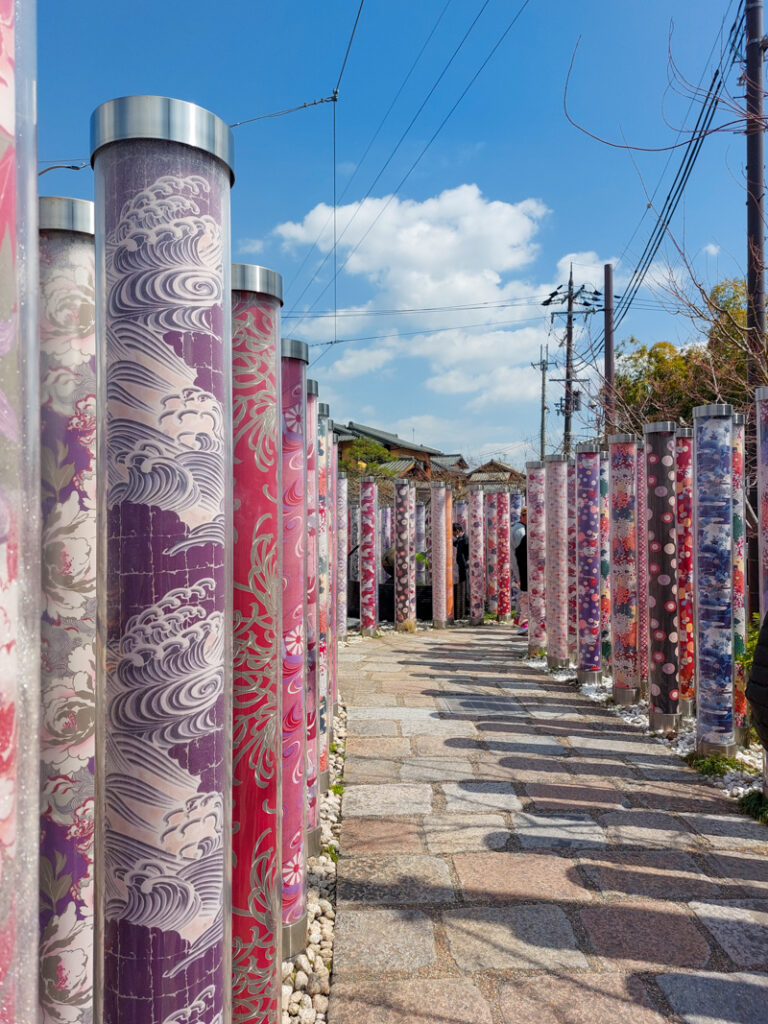
In the afternoon, take a trip along the Sagano Scenic Railway. This is a 30 minute journey on an old fashioned train departing from Torokko Arashiyama. Take the slower route back with a 2 hour Hozugawa River cruise!
Day 9: Travel to Hakone
On your last morning in Kyoto, tick off anything you haven’t managed to see or do yet. For our last morning we visited the Golden Pavilion Temple. You can’t go inside the temple but there is a nice route through the gardens that takes you around the lake to view the temple hall which is coated in gold leaf.
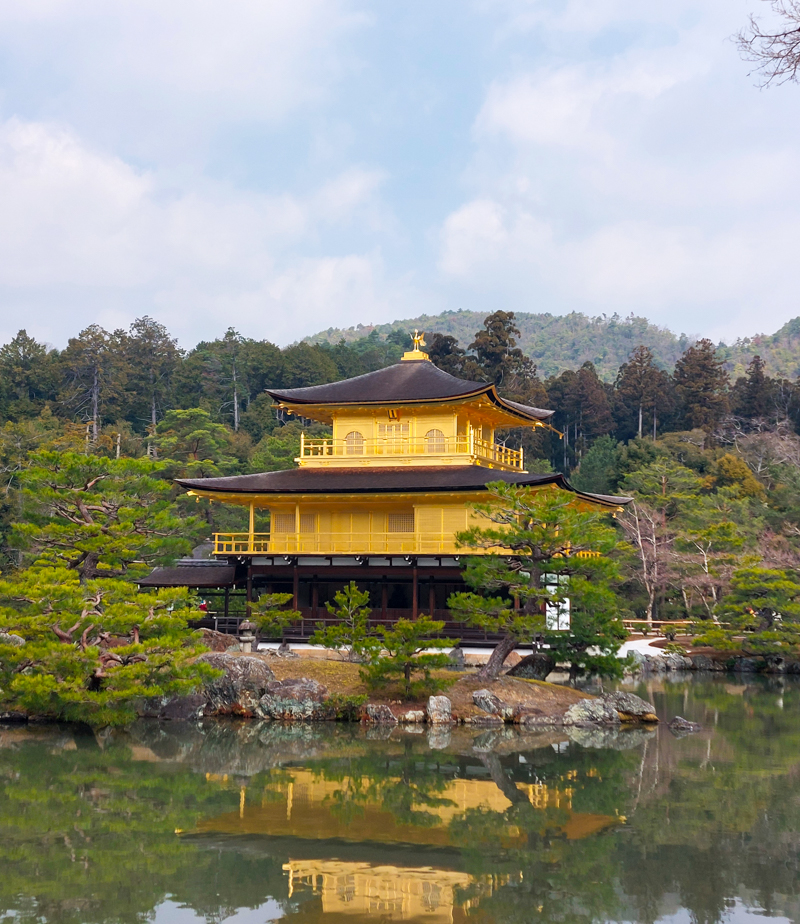
Around midday or early afternoon, start your travel to Hakone. Take the shinkansen train to Odawara Station (~2 hours). Whilst at the station, purchase a Hakone Pass. This provides public transport around Hakone and access to some attractions. From Odawara, take the Hakoneyumoto Line to Hakone-Yumoto Station (15 minutes). From here you can get a local bus to your hotel. Check what is included in your Hakone Pass.
When looking at where to stay in Hakone, I’d recommend looking for a traditional Ryokan. Ryokans are traditional Japanese inns with futon beds, tatami-matted floors and often onsens. Onsens are Japanese hot springs. Communal baths are separated by gender and you must enter fully naked. Often people with tattoos are not allowed. Many hotels and onsens also offer private baths where you can book a smaller room for a set amount of time to soak privately or as a couple.
In the evening, treat yourself to dinner and a hot soak in an onsen!
Day 8: Hakone
Lots of hotels in Hakone offer a service where they will take your bags to Hakone-Yumoto station for you to collect towards the end of the day. I highly recommend doing this, unless your hotel is en-route to the station already.
Start your morning with a trip to Hakone Shrine and Jinjya Heiwa-no-Torii. This is an iconic red Torii Gate facing out onto Lake Ashi. It’s a picturesque and well-known spot so you might have to queue for a while to get your perfect photo. Head over here early for your best chance at shorter queues!
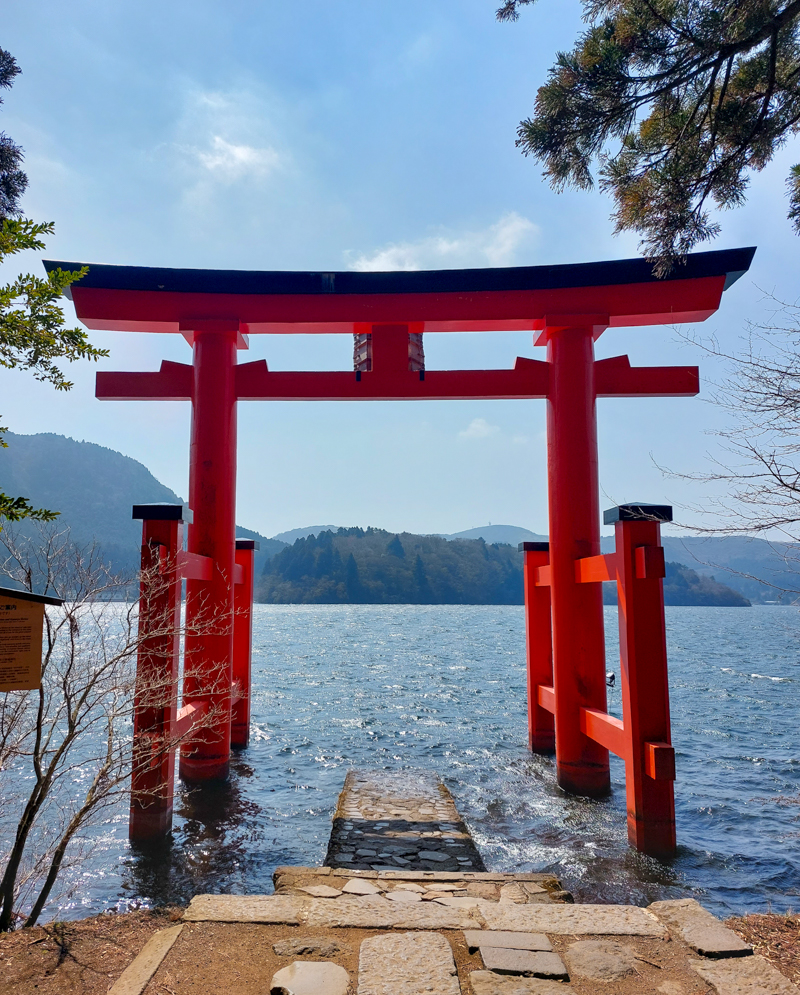
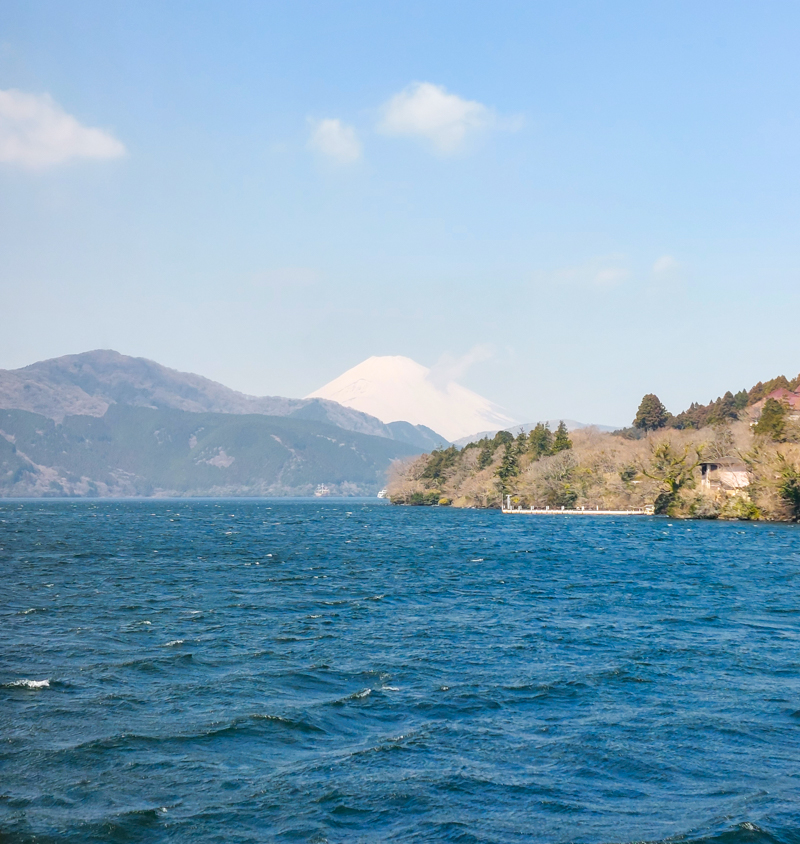
After the shrine, walk around the shore, keeping the lake on your right-hand side to reach the docks. From here you can catch the pirate-style ship across the lake. This is included with the Hakone Pass. Keep an eye out for Mount Fuji on the cruise!
The boat will take you to the bottom point of the Hakone-Ropeway. This is a series of cable cars leading away from the lake, over steaming volcanic vents. Again, on a clear day, you’ll have views of Mount Fuji from this ride!
The final stop is Gora, from here you can get the train back to Hakone-Yumoto and on to Tokyo but there is still more to see! Head out on foot to stroll through Hakone Gora Park. Stop in to Gyoza Center for lunch – again you might have to queue for a while here! After lunch, explore Hakone Open-Air Museum. This is a huge park with sculptures and some indoor exhibits including lots of Picasso works.

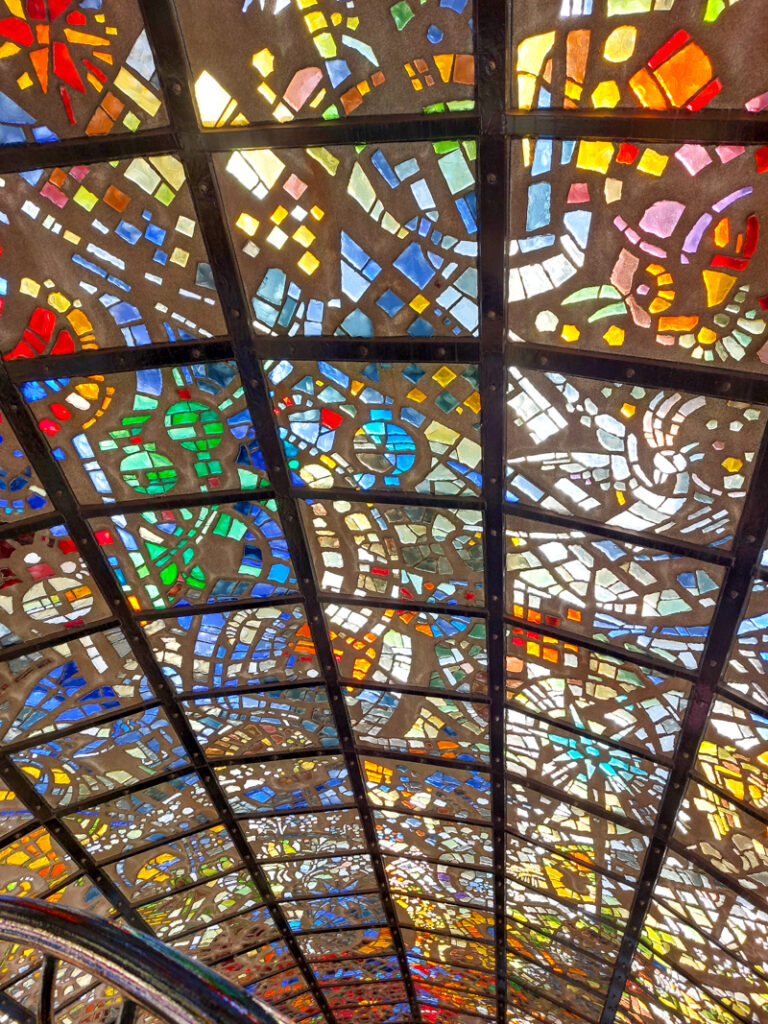

After the museum, take the train from Chokokunomori Station to Hakone-Yumoto and then on to Tokyo. Don’t forget to collect your luggage at the station.
Day 11: Tokyo
For your last couple of days in Tokyo, I recommend staying in a different hotel so you can explore another area of the city. We chose to stay around the Ginza/Minato City area.
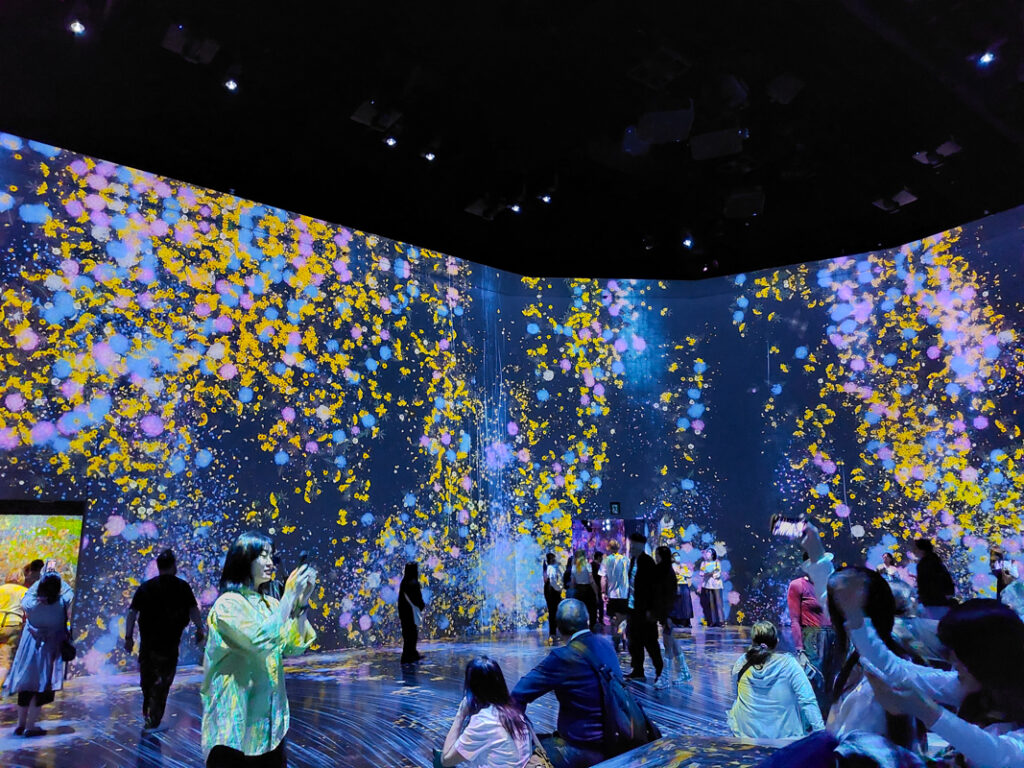
I highly recommend visiting Teamlab Borderless while in Tokyo – a digital art museum with interactive, immersive exhibits. Each room has a different display of lights, mirrors and projections. In some spaces you can touch the walls to change the scene around you. It’s a fun, creative space, great for children and adults!Be sure to book in advance, it does get busy! There is also another Teamlab called Planets, a little further out from Minato City. If you have time, you could try both! Teamlab Borderless is fairly close to Tokyo Tower, so if you haven’t been to an observation deck in Tokyo by this point in the trip you could visit after the museum!

Whilst in the area, I also recommend visiting Hamarikyu Gardens and Tsukiji Fish Market. This is a traditional market by the harbour. It used to have more wholesale fishmongers but now has lots of food stalls and caters to locals and tourists. A great spot to grab lunch and sample some local seafood.
In the afternoon, head up to the Imperial Palace. Whilst the Palace itself isn’t open to the public, the gardens are free to explore. You can even take a guided tour of the grounds if you want to.
In the evening, go shopping in Ginza. The area is filled with high end and high street stores, many of which are open late. You can find huge multi-floor flagship stores here. If, like me, you are a big stationery fan, I recommend visiting Itoya. It’s an enormous stationery and arts shop spread over 12 floors! I could have spent hours here!
Day 12: Last day!
On your last day in Tokyo, squeeze in anything you’d still like to do before your flight!
If you have at least half a day, you could head out to the south of Koto City to visit the Museum of Emerging Science and Technology and even Teamlab Planets. While in the area you might also be able to spot Rainbow Bridge, although it is better at night when lit up!
If you have a full day, you could go a little further and maybe visit a theme park. Tokyo Disneyland and DisneySea are both less than an hour from Minato City. If you’re an anime fan, Ghibli Museum is just over an hour away from Minato City (opposite direction of Disney so you’re unlikely to fit both into the same day!).
Click here for more things to do in Tokyo.
Don’t forget to stock up on souvenirs on your last day too! If there is anything you’ve forgotten, you can order Japan inspired postcards, stickers and other scrapbook materials from our Where’s Clare shop.